
Quick answer: Any water damage should be taken care of immediately. The damage caused by water to drywall, floors, wood, furniture, and other items begins to occur after only a few hours of exposure to water. Homeowners often ask how long water damage can sit before severe issues arise; if the water-soaked items remain unfixed within 24-48 hours, then the possibility of mold growth increases significantly. Once 48-72 hours pass, the items will begin warping, rotting, stinking, or becoming unusable.
This does not necessarily imply that all properties that have water damage standing for three days will be ruined. This is based on several factors, such as the quantity of water involved, the kind of water, the moisture levels, temperature, and what material was exposed to the water damage.
Key Takeaways
- Immediate Action Required: Porous materials absorb water instantly upon exposure.
- 24-48 Hour Window: Vital time period defined in accordance with the IICRC S500 standard for drying the area before the mold spores grow.
- Category Deterioration: Clean water deteriorates into polluted gray or black water in 48 hours.
- Moisture Hazards Behind the Scenes: Just because surfaces look dry doesn’t mean that the structural framing or wall cavities behind are dry.
Don’t assume that everything will turn out all right on its own if you have water damage on the walls or floors, standing water, musty odors, or stains.
Water Damage Timeline: What Happens as Water Sits
There isn’t a fixed point where one knows water damage becomes a permanent problem. The problem grows gradually. Most homeowners have wondered how long water damage can sit before causing complete structural collapse.
Here is a practical water damage timeline homeowners can use:
| Time After Water Exposure | What Can Happen | Risk Level |
| 0–2 hours | Water spreads and begins soaking porous materials | Low to moderate |
| 2–24 hours | Drywall, flooring, carpet, wood, and insulation absorb more moisture | Moderate |
| 24–48 hours | Mold risk increases; odors and material deterioration may develop | High |
| 48–72 hours | Warping, swelling, deterioration, and mold growth can become more significant | High |
| 3–7 days | Hidden moisture can support established mold growth and worsening material damage | Very high |
| 1 week+ | Structural materials and finishes may experience extensive deterioration | Severe |
The timeline is not exact for every property. Clean water, contaminated water, porous materials, temperature, humidity, and ventilation can all change how quickly damage develops.
The EPA advises that you dry the wet areas after 24 to 48 hours to avoid mold formation.
How Long Can Water Damage Sit Before It Becomes Permanent?
There are many scenarios when 24 to 72 hours prove crucial, but permanent damage to some items could begin sooner. Assessing how long water damage can sit is important to understand that sensitive items can be damaged immediately.
For instance, water can affect paper items and electronics instantly, while drywall will soak up the water and expand before any signs of structural problems show up. The hardwood floor can cup and bubble, and the carpet padding can hold water, although the carpet seems dry.
The important question is not simply:
“How many hours has the water been there?”
It is:
“Are there any more affected materials that have not been dried yet, and is moisture retained anywhere?”
There could still be moisture retained somewhere, despite the fact that the room appears to be dry behind its drywall, underneath its flooring, or within its insulation and framing.
That hidden moisture can continue causing damage long after standing water has disappeared.
The Science of Water Degradation: Why Hours Matter
When analyzing how long water damage can sit, restoration experts look at key environmental and physical factors:
Water Category Degradation
The types of water damage that occur are divided into three types (IICRC S500):
- Type 1 (Clean Water): Occurs due to a leak in the supply line or a clean sink overflow. It is harmless at first.
- Type 2 (Gray Water): Includes contaminants such as chemicals and/or biological materials (dishwasher waste). It may cause diseases.
- Type 3 (Black Water): Extremely contaminated and unsanitary water.
Crucial Fact: Standing water changes categories over time. Category 1 clean water left standing past 24 to 48 hours degrades into Category 2. Beyond 48 hours, standing water frequently transitions into Category 3 biohazardous water as bacteria multiply and chemicals leach from building materials.
Relative Humidity (RH) & Moisture Thresholds
The presence of bacteria and fungi depends on specific criteria that must be met for these organisms to thrive. The Relative Humidity (RH) must exceed 60% inside the room, and the Moisture Content (MC) must exceed 16% in order for the mold spores to start developing. Normal house fans circulate the moist air, whereas the true solution involves commercial dehumidification.
Environmental Factors That Accelerate Permanent Damage
The exact rate at which water damage turns permanent depends heavily on the ambient environment of the property:
- Temperature (70°F – 90°F): High temperatures indoors act as a biological accelerator. Fungal spores, bacteria, and rot fungi develop three times quicker under hot conditions than cool ones.
- Air Flow: Air that is poorly circulated in confined spaces, such as locked doors, cabinets, or unventilated crawlspaces, accelerates the deterioration of both wooden structures and drywall within one day.
- Density and Porosity of Materials: Wood is likely to absorb moisture more slowly than carpet padding, but it would dry out much more slowly without the use of dehumidifiers.
What Happens to Water-Damaged Materials Over Time?
Different materials react differently to prolonged moisture.
Drywall
Drywall is susceptible because the paper facing and the gypsum can absorb moisture.
After a leak or flood, you may notice:
- Swollen drywall
- Soft spots
- Bubbling or peeling paint
- Discoloration
- Staining
- Crumbling edges
- Musty odors
If drywall remains wet, drying it from the surface may not be enough. Moisture can remain inside the wall cavity.
This is especially important when you have wet walls after water damage.
If the wall appears to be soft, puffy, cold, or if the stain is still spreading, then the wall should be tested for any hidden moisture.
Hardwood Flooring
Water can cause wood flooring to absorb moisture unevenly.
Depending on how long it remains wet, you may see:
- Cupping
- Crowning
- Buckling
- Gaps between boards
- Discoloration
- Swelling
- Finish damage
Prompt extraction and controlled drying can sometimes save wood flooring. Once severe warping, delamination, or prolonged saturation occurs, replacement may become necessary.
Carpet and Carpet Padding
The carpet should dry up well after the floods caused by clean water, but the carpet padding is going to absorb a lot of water.
Even if the carpet feels dry on top, moisture may remain:
- Under the carpet
- Inside the padding
- Beneath the tack strips
- In the subfloor
The EPA specifically recommends drying carpet and backing within 24–48 hours when possible.
Insulation
Wet insulation can become difficult to dry properly, particularly when it is trapped inside a wall or ceiling.
Some types of water-damaged insulation may need to be removed and replaced rather than dried.
Wood Framing
Wood-frame construction need not be irrevocably damaged after only a few hours of exposure. However, continued exposure to moisture could lead to swelling, decay, and an environment conducive to fungus.
This is one reason professional moisture measurements can be more useful than simply looking at the surface.
Cabinets and Wood Furniture
Cabinets and furniture may swell when exposed to water, particularly around joints and edges.
Possible signs include:
- Swollen doors
- Warped panels
- Separating veneers
- Discoloration
- Musty smells
- Damaged finishes
The sooner moisture is removed, the better the chance of limiting the damage.
How Fast Does Mold Grow After Water Damage?
One of the biggest concerns after water damage is water damage mold growth.
Mold does not require standing water to grow. Damp materials and elevated moisture can be enough.
The Environmental Protection Agency reports that mold will grow once mold spores make contact with wet surfaces. The EPA recommends drying the wet materials within 24 to 48 hours.
A practical way to think about the timeline is:
First 24 hours:
Moisture is spreading through porous materials and hidden spaces.
24–48 hours:
The mold-growth risk becomes increasingly important if materials remain wet.
48–72 hours:
Mold growth and material deterioration can become more noticeable under favorable conditions.
Several days to weeks:
Persistent moisture can allow mold colonies to establish and spread to additional materials.
There is no universal clock that dictates when mold will definitely form at a certain time. Temperature, humidity levels, material, and moisture are all important factors.
This is the reason why the right thing to do is to dry out the area before there’s any chance for mold to show up.
If you notice persistent moisture or suspect hidden mold after a leak, professional mold inspection and testing can help identify moisture-related problems that may not be visible from the surface.
Can Wet Walls Dry on Their Own?
Surface moisture may at times evaporate without the need for professionals, although this doesn’t mean the wall is dry throughout.
This is one of the most common mistakes homeowners make after a leak.
A wall may look normal while moisture remains:
- Behind drywall
- Inside insulation
- Around plumbing
- Near electrical boxes
- Inside wall cavities
- Around baseboards
- Behind cabinets
If moisture remains trapped, it can contribute to mold growth, odors, and continued deterioration.
The professional water damage inspection may utilize some equipment, such as a moisture meter, to discover whether there is any damp construction material.
If you have persistent wet walls after water damage, do not rely only on how the wall looks or feels.
Action Plan: What to Do Based on Elapsed Time
Here is what you should do:
If Water Has Been Sitting for 0–24 Hours
- Safety First: Disconnect the main water supply and shut off circuit breakers if the water is close to any electrical outlets.
- Documentation: Take pictures and videos of everything before you touch anything for your insurance.
- Evacuation & Transportation: Remove all standing water with wet vacuums and transport any furniture that hasn’t been damaged elsewhere.
- Start Restoration: Start positioning the dehumidifiers and air movers.
If Water Has Been Sitting for 24–48 Hours
- Examine baseboards, lower drywall areas, and flooring edges for swelling or discolored areas.
- Look for musty smells, which would indicate a microbial presence.
- Never depend on fans at home, as machines will be required for drying during this process to avoid mold.
If Water Has Been Sitting for 3 Days to 1 Week+
- Assume active mold growth and hidden cavity moisture are present.
- Contact Professionals: Professional containment and mold remediation procedures (IICRC S520) must be undertaken.
- Do not disturb large visible patches of mold without containing the area, as this will cause spore dispersal.
What Equipment Is Required for Professional Structural Drying?
Fans and dehumidifiers used at home and in shops do not have the required static pressure to extract bound water from heavy-duty materials such as subflooring and framing studs. The following pieces of psychrometric equipment are used for professional water mitigation:
- Low Grain Refrigerant (LGR) Dehumidifiers: These pieces of equipment can extract water vapor from the air even at low levels of humidity, making bound water evaporate from the heavy-duty framing wood.
- High-Velocity Centrifugal Air Movers: These pieces of equipment create airflow over wet surfaces, breaking the static boundary layer of the saturated air and speeding up the evaporation process.
- Injectidry & Wall Cavity Systems: These pieces of equipment direct warm, dry air behind the baseboards and into the wall cavities through small holes without destroying drywall.
- HEPA Air Scrubbers: They filter mold spores, dust, and particles out of the indoor air during the drying process to avoid cross-contamination.
The Cost of Delay: How Waiting Increases Restoration Expenses
Postponing the restoration process for water damage results in increased costs over time:
- 0-24 Hours (Least Invasive): Primarily involves surface water removal, sanitization, and the placement of equipment. The cost of repairs is at its lowest due to minimal building material loss.
- 24-72 Hours (Partial Structural Work): Includes partial drywall removal, carpet pad replacement, floor refinishing, and antimicrobial treatment to stop mold spore growth.
- 3-7 Days+ (Reconstruction and Remediation): Entails full containment processes, certified mold remediation (according to IICRC S520 standards), tear-out of wall cavities, sub-flooring removal, and timber framing work.
Does Homeowners Insurance Cover Water Damage That Has Been Sitting?
Coverage of your insurance depends largely on what caused the water and how fast the measures were taken:
- Insured Scenarios: A standard home insurance policy covers the damages caused by unexpected and abrupt events like the bursting of a pipe or appliance.
- Rejected Insurance Claim: If the water has been in your home for too long (more than 14 days) due to leakage, the insurance company can reject the insurance claim based on “Lack of Maintenance” or “Negligence.”
Advice: You will have to take photos and videos before you start cleaning everything.
Can You Dry Water Damage Yourself vs. Calling Professionals?
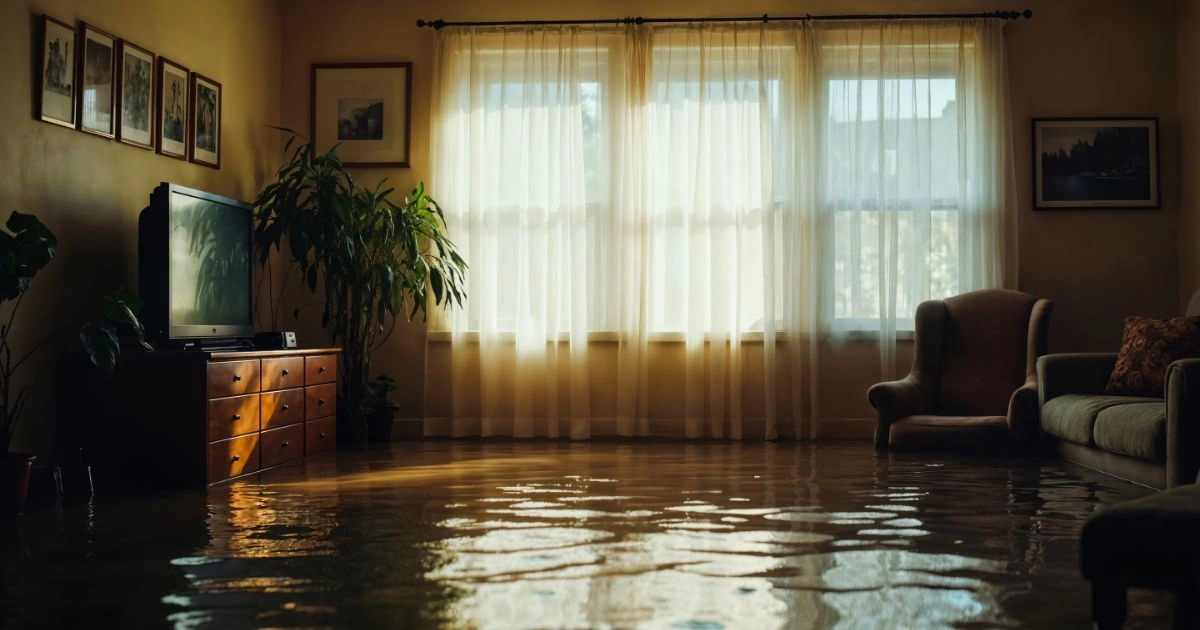
Spills from clean water sources that are relatively small and on the surface level may sometimes be resolved individually if dried out within a few hours. Professional water mitigation is needed if:
- Water intrusion into wall cavities, ceiling, or subfloor spaces has occurred.
- Water comes from sources such as sewage or contaminated water (Category 2 or 3).
- Water is present in the affected area for 24–48 hours or longer.
- Musty odors or visible mold discoloration are present.
- Large, multi-room areas are saturated.
If the water damage was caused by a burst or leaking pipe, broken water pipe and plumbing services may be needed to address the source before restoration work can be completed.
What Are the Signs of Permanent Water Damage?
Water damage may be becoming permanent when you notice signs such as:
- Severely warped or buckled flooring
- Crumbling drywall
- Swollen wood that no longer returns to its original shape
- Delaminated flooring
- Persistent water stains
- Peeling or separating finishes
- Structural wood deterioration
- Persistent musty odors
- Mold growth
- Materials that remain damp despite drying efforts
However, visible damage does not automatically mean an entire room or structure must be replaced.
A professional appraisal will be useful in determining which items can be salvaged and dried and which items have deteriorated to an extent that no further restoration is possible.
When Should You Call a Water Damage Restoration Company?
Contact an expert as early as you can if water is present in structural material or if you have no idea how widespread it is.
You should especially consider professional water damage restoration when:
- The water is still standing.
- The walls are wet.
- The ceiling is affected.
- The flooring is saturated.
- Water has entered a crawl space.
- The source is a burst pipe.
- The water may be contaminated.
- You smell something musty.
- Mold is visible.
- The damage covers multiple rooms.
- Water has been sitting for more than 24–48 hours.
K.C. Construction & Restoration offers water damage restoration and mitigation services in Macon, GA, which include moisture inspection, water removal, drying, and dehumidification services.
How K.C. Construction & Restoration Handles Water Damage
The goal of professional restoration is not simply to remove visible water.
The process should address the moisture that has moved into the building.
At K.C. Construction & Restoration, the water-damage restoration process includes:
- Damage assessment and moisture inspection
- Water extraction
- Drying and dehumidification
- Debris cleanup and sanitization
- Repair and rebuilding
- Final inspection and moisture control
This approach helps identify moisture that may otherwise remain behind walls, under flooring, or in other hidden areas.
Where there is mold that grows because of moisture accumulation in houses, K.C. Construction & Restoration also offers mold inspections and removal in Macon and Middle Georgia.
If moisture has affected an under-home area, professional crawl space cleaning can also help address moisture, mold, and other problems in the crawl space.
Frequently Asked Questions
How long can water damage sit before permanent damage occurs?
Water damage can begin affecting materials within hours. More serious deterioration can develop over 24–72 hours, especially when porous materials remain saturated. There is no single deadline because the outcome depends on the material, water type, and drying conditions.
How long can water sit before mold grows?
However, mold development may happen on wet materials in ideal conditions. The EPA recommends that any wet material should dry within 24 to 48 hours in order to prevent the development of mold.
Can water damage be fixed after 3 days?
Yes, there will always be a chance that even water damage can be restored after three days, but there might certainly be complications. It is important to inspect for any kind of hidden moisture or damage.
Can wet walls after water damage be saved?
Sometimes. If drywall and surrounding materials can be thoroughly dried before significant deterioration or mold growth occurs, some materials may be salvageable. Severely swollen, crumbling, or contaminated drywall may need replacement.
What happens if water damage is left untreated?
Water damage left untreated can cause staining, warping of the floor, drywall damage, bad smell, and mold growth. Water trapped within the construction may lead to such problems even when the water becomes invisible.
Is water damage permanent if it has been sitting for a week?
Not necessarily. Some materials may still be restored, while others may require replacement. A professional assessment is the best way to determine how much damage has occurred.
Does a fan dry water damage?
Though the use of a fan can be beneficial in moving air around, it is not always possible to remove the water that might have accumulated in the walls or floor.
Should I remove wet drywall?
That may not necessarily be the case. It all depends on how much water there is, the contamination, the state of the material, and whether the wall can be dried completely.
The Bottom Line: Don’t Wait for Water Damage to Become Permanent
So, how long can water damage sit?
The safest answer is as little time as possible.
The interaction between water and building materials starts right away. The 24 to 48 hours are crucial since prompt drying would help minimize the possibility of mold formation. The 48 to 72 hours would increase the possibility of more damage to the building materials due to moisture entrapment inside the walls, floors, or insulation.
Once water damage is found, don’t delay until you see a musty odor, mold growth, or warping.
Cut off the cause of water damage, be cautious, eliminate water where possible, and start to dry out the affected area.
If water has entered your walls, flooring, ceiling, or other structural material, K.C. Construction & Restoration can provide help with water damage assessment and restoration services in Macon and the greater Middle Georgia region.
Water damage restoration help? Call K.C. Construction & Restoration.