
Indeed, water damage can come back after repairs if the source of moisture is not entirely addressed, if there is hidden moisture inside the building, or if the damaged components were repaired prior to drying.
Alternatively, it might also happen that the water stains come back, the odor reappears, peeling of the paint is observed, warped floors can be seen, or even dampness can be found in the supposedly repaired place. However, that does not necessarily mean that the repairs were conducted improperly before. This may only happen because of water leakage from somewhere else.
The important question is not simply, “Why did the stain come back?” It is “Where is the moisture coming from now?”
In case you have persistent water damage, here are seven reasons why the issue might not be completely fixed.
Can Water Damage Come Back After Repairs?
Yes. Water damage coming back after repair usually occurs because there is continuous entry of water into the premises or because it was not completely removed at the onset of the process.
Common causes include:
- The original plumbing leak was not completely repaired
- Moisture remains behind drywall or under flooring
- Wet insulation or subflooring was left in place
- A roof or exterior leak was missed
- Poor drainage is sending water back toward the property
- Crawl space moisture is affecting the living area
- High humidity or condensation is creating new moisture
- Restoration materials were replaced before the structure was completely dry
Any effective restoration will need to take into account not only the obvious damage but also the source of moisture. K.C. Construction & Restoration’s water damage restoration services include moisture detection, water extraction, drying, cleaning, repairs, and an inspection.
7 Signs Your Water Damage Wasn’t Fully Fixed
1. The Same Water Stain Keeps Coming Back
Water stains reappearing in the same spot are an obvious sign.
Perhaps you have painted over a stained ceiling, or even removed a piece of drywall, only to see another stain appear, yellow, brown, or dark in color.
This can happen because:
- A roof leak is still active
- A plumbing line is slowly leaking
- Water is entering around a window
- Moisture is traveling through framing
- An upstairs bathroom is leaking
- Condensation is collecting in the area
An old water stain does not necessarily mean active water damage. The key is whether the stain is changing, expanding, becoming darker, or appearing again after rain or plumbing use.
If the discoloration continues to change, don’t simply repaint it. The moisture source needs to be identified.
2. A Musty Smell Returns After Cleaning
Another significant indicator would be the presence of mustiness.
When you notice that your home has a very fresh smell right after the restoration process but gets damp after several days or weeks, there could be moisture somewhere in your property.
Potential locations include:
- Behind drywall
- Under flooring
- Inside insulation
- Around plumbing
- In a crawl space
- Inside cabinets
- Around HVAC components
- Near exterior walls
The unpleasant odor could be connected to moisture and fungus growth. According to K.C. Construction & Restoration, multiple occurrences of a musty odor could mean that there is moisture buildup in the crawlspace or water leakage, possibly even moisture from the HVAC system. A persistent musty smell can also be related to hidden water damage or mold.
Important: Do not use air fresheners or any other chemicals to mask the smell. If the smell persists, then you need to find out its cause.
3. Paint or Drywall Starts Peeling, Bubbling, or Swelling
Freshly repaired walls should not begin deteriorating again shortly after restoration.
If you notice:
- Bubbling paint
- Peeling paint
- Soft drywall
- Swollen drywall
- Crumbling joint compound
- Discolored wall sections
- Cracked or separating seams
There may still be moisture behind the surface.
This is especially problematic if the damage takes place in precisely the same spot that has already been fixed.
While painting can help to conceal the damage for a period of time, it will not prevent water from getting inside.
As long as the original material is wet, the fix itself will fail in due time.
4. Flooring Starts Warping or Buckling Again
Water can remain trapped underneath flooring even after the surface appears dry.
You may notice:
- Buckled hardwood
- Warped laminate
- Swollen flooring
- Loose tiles
- Raised edges
- Soft spots
- Squeaking or movement
The problem may not be the flooring itself.
Moisture could be trapped in the subfloor, underlayment, insulation, or structural materials underneath it.
This is one reason surface-level drying can be misleading. Professional restoration companies use moisture detection equipment to locate moisture that cannot be identified simply by touching or looking at a floor. K.C. Construction & Restoration uses moisture detection during its water damage assessment process. Professional water damage drying can help identify moisture that remains beneath visible surfaces.
5. The Problem Gets Worse After Rain
If water damage seems to return specifically after heavy rain, the source may be outside your plumbing system.
Possible causes include:
- Roof leaks
- Damaged flashing
- Poor grading
- Clogged gutters
- Downspouts discharging too close to the house
- Foundation water intrusion
- Exterior wall penetration
- Window or door leaks
- Crawl space moisture
This technique is extremely helpful because once there is a problem, it will give you information on what is causing the water intrusion.
For instance, if there is a ceiling stain that has been repaired and it starts turning dark after each rain shower, the roof needs to be inspected.
The same applies to basements and crawl spaces, since if they start leaking after a rainfall, the source of water is probably not inside the house.
6. Your Home Still Feels Damp Even After the Repair
Sometimes there isn’t an obvious stain or leak.
Instead, the room may simply feel unusually humid.
You might notice:
- Condensation on windows
- Damp-smelling rooms
- Slow-drying towels
- Clammy floors
- Moisture around vents
- Increased humidity
- Recurring mildew
- A room that feels different from the rest of the house
This can indicate that moisture is still present somewhere in the property.
Humidity-related issues in Middle Georgia can include problems with crawl spaces, inadequate ventilation, HVAC condensation, and more than just a clear plumbing leak. K.C. Construction & Restoration highlights crawl spaces, HVAC systems, leaks, and humidity as possible moisture problems. Crawl space cleaning and moisture control can be important when moisture is affecting the area beneath the home.
7. Mold or Mildew Appears Again
If mold or mildew returns after water damage restoration, don’t treat it as a simple cleaning problem.
Mold needs moisture to grow. If it keeps returning, there may still be an underlying moisture problem.
Recurring growth can indicate:
- Hidden water behind drywall
- Wet insulation
- Damp flooring
- A leaking pipe
- Roof or exterior water intrusion
- Crawl space moisture
- High humidity
- Poor ventilation
Without addressing the source of moisture, simply cleaning the visible mold may allow the mold to come back.
The method used by K.C. Construction & Restoration for mold remediation services entails finding the source of moisture, detecting hidden areas, and cleaning and restoring the building.
Why Does Water Damage Come Back After Repairs?
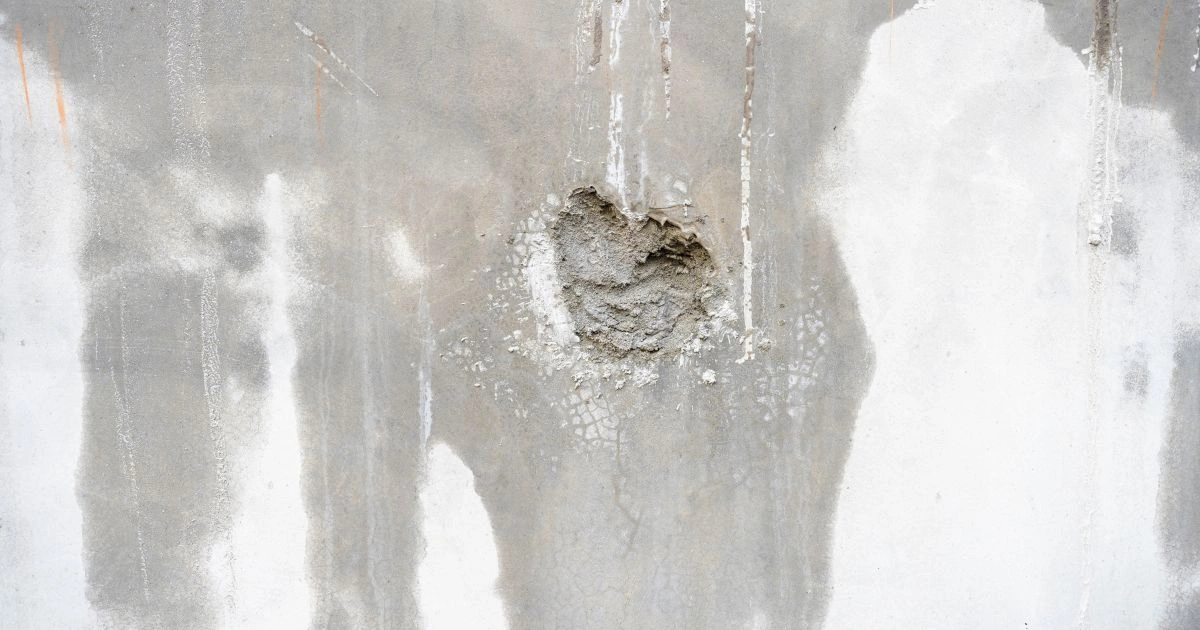
The reason why water damage comes back after repair despite having been fixed is that the initial repair took care of the cosmetic problem but did not fix the actual root cause of the damage.
To illustrate this, think of an instance where a water stain appears on your ceiling in a brown color. The contractor comes, and when water stains come back on the drywall, primes it, and paints the ceiling. Everything seems to look fine. However, two months down the line, you begin noticing the return of the water stains.
Other common water damage repair problems include:
- Incomplete drying: Materials can look dry while hidden moisture remains deeper inside.
- Missed source: The visible damage may be several feet away from the actual leak.
- Early repair: The materials could already be substituted or sealed while moisture levels remain high.
- Repetitive moisture infiltration: The weather, plumbing activity, or humidity could keep bringing moisture into the structure.
- Damaged materials remain in place: Moisture-absorbent materials which cannot be dried sufficiently remain a problem.
To fully understand these recurring water damage repair problems, we must look closer at the underlying building science:
Capillary Action and the Vapor Barrier Trap
There is a key scientific reason why water damage comes back after repair despite efforts to fix it, and it is the capillary action of porous building materials such as concrete, bricks, and drywall. The concrete itself serves as a dense sponge with numerous micro-pores inside it. Water, entering the structure, gets pulled upward and sideways by capillary action inside the pores.
If the contractor just seals the affected portion using a non-breathable sealer or waterproof paint without first drying out the core portion, he has created a “vapor trap” situation. The trapped liquid will become water vapor due to temperature variations in the atmosphere and build hydrostatic vapor pressure behind the newly applied paint. Due to the pressure exerted by the vapor, there will be efflorescence (whitish, salty deposits), blistering of the paint, and finally the recurrence of water stains coming back behind the new paint layer.
Rigid Coatings vs. Elastomeric Flexible Membranes
Yet another serious mistake made in situations where there is a problem with recurring water damage concerns the selection of materials during construction repair. The majority of repairs are unsuccessful since technicians use rigid cement-based slurry or regular spackle.
Buildings are bound to contract and expand due to varying temperatures throughout the year, as well as slight movements of the structure’s foundation. The rigid materials used in repair do not move with the structure; thus, the development of tiny fractures is bound to happen in weeks or months. In the end, water damage coming back after repair manages to seep into the cracks that have formed. It is necessary to use an elastomeric membrane or waterproof coating with an elongation ability of 300% or higher.
How Can You Tell If Water Damage Is Old or Still Active?
Not every water stain means you currently have a leak.
An old stain may remain visible even after the source has been corrected.
Look for changes such as:
| Sign | What It May Indicate |
| Stain is unchanged | Possibly old damage |
| Stain is getting darker | Possible active moisture |
| Stain grows after rain | Possible exterior/roof leak |
| Musty odor returns | Possible hidden moisture |
| Paint bubbles | Moisture behind surface |
| Drywall feels soft | Potential moisture damage |
| Floor begins warping | Moisture below flooring |
| Mold returns | Moisture source may remain |
The safest approach is to investigate patterns rather than relying on appearance alone.
What Should You Check After Water Damage Repairs?
Before considering a water damage restoration project finished, homeowners should check more than the repaired surface.
Check the source.
Ask:
- What caused the water damage?
- Was the source permanently repaired?
- Could another leak be entering the same area?
- Does the problem return after rain or plumbing use?
If a plumbing leak or burst pipe is suspected, K.C. Construction & Restoration’s broken water pipe and plumbing services are another relevant resource.
Check concealed areas
Look beyond the visible repair.
Potential problem areas include:
- Wall cavities
- Subfloors
- Insulation
- Cabinets
- Crawl spaces
- Ceilings
- Around pipes
- Behind appliances
Check moisture levels
A surface may feel dry while deeper materials remain damp.
Professional restoration teams can use moisture meters and other detection equipment to identify moisture that isn’t obvious to the homeowner.
Check for secondary damage.
Look for:
- Mold
- Musty odors
- Warped materials
- Peeling paint
- Swollen wood
- Damaged drywall
- Recurring stains
If any of these symptoms appear again, the restoration may require another inspection.
What to Do If Water Damage Keeps Coming Back
Don’t keep repainting the stain or replacing the same section of drywall without determining why it is happening.
Instead:
1. Document the recurrence
Take photographs when you first notice the problem.
Record:
- Date
- Location
- Weather conditions
- Recent plumbing use
- Changes in the stain
- Odors or visible mold
This can help identify a pattern.
2. Look for the source
However, provided it is safe, search visible spots like behind toilets, underneath sinks, and around other appliances, and check windows.
Do not open walls or venture into unsafe areas just to locate the source of a leak.
3. Don’t ignore hidden moisture
A professional inspection will assist in identifying whether there is a fresh leak or the problem lies somewhere else, like inadequate drying.
4. Get the affected area inspected
A professional inspection can help determine whether the issue is a new leak, incomplete drying, or another source of moisture.
5. Address the cause before rebuilding
The order matters:
Identify the source → Cut off the water → Remove moisture → Dry out the building → Secondary damage → Repairs/Reconstruction → Confirm the area is dry.
K.C. Construction & Restoration has an identical restoration process, which starts with moisture testing and water extraction before proceeding with drying and repairs.
When Should You Call a Water Damage Restoration Professional?
You should consider professional help when:
- Water damage coming back after repair becomes a recurring pattern
- A water stain is getting larger
- You smell persistent mustiness
- Mold keeps coming back
- Flooring is warping again
- Drywall feels soft or damp
- You suspect moisture behind walls
- The source of the leak isn’t obvious
- Your home has experienced significant flooding
- Crawl space moisture is affecting the living area
Specialized equipment is used to detect moisture where visual inspection is not feasible.
In case of water infiltration, dirty water, electrical issues, or any structural problems, do not endanger yourself; get professional help.
How K.C. Construction & Restoration Helps Stop Recurring Water Damage
At K.C. Construction & Restoration, water damage restoration isn’t just about making a damaged wall look new again.
The goal is to identify the moisture, remove it, dry affected areas, address damaged materials, and restore the property.
Our water damage restoration services in Macon and Middle Georgia include:
- Water damage assessment
- Moisture detection
- Water extraction
- Structural drying
- Dehumidification
- Cleanup and sanitization
- Repairs and rebuilding
- Mold inspection and remediation
- Long-term moisture control
The company also provides 24/7 emergency restoration services for water, fire, and mold-related damage.
If water damage is coming back after repair, don’t simply cover the stain again. Call K.C. Construction & Restoration at 478-785-0444 to have the underlying moisture problem investigated.
Final Takeaway
Water damage coming back after repair, occurring again after restoration work, is mostly an indication that there are deeper issues within the building that require professional help.
The biggest indicators to look out for are water stains coming back, recurring musty odor, peeling or bubbling paint, warping of floors, worsening damage after rain, moisture in the home, and recurring mold.
In order for any successful repair to be made, the following things need to be determined. These include finding out how the water entered, its path of movement, the materials that absorbed the water in concealed areas, and whether the structure was completely dried out prior to repair work.
When similar symptoms continue to persist, they need to be treated as clues instead of just cosmetic issues. Early detection of the cause of moisture is essential in order to avoid turning a minor recurring problem into something major.
Frequently Asked Questions
1. Can water damage come back after repairs?
Yes. Water damage coming back after repair may result from the fact that the initial source of the leak or moisture was not entirely addressed, or there is a new source of water damage.
2. Why are my water stains coming back after painting?
Water marks may reappear due to continued entry of water into that spot. Water could be entering through a roof leak, plumbing issues, condensation, water from the outside or hidden moisture trapped behind the repaired wall. Painting over the mark won’t fix the underlying issue.
3. How do I know if I have hidden moisture after water damage?
Warning signs include frequent stains, musty smells, peeling paint, loose drywall, warping of flooring, mold, and abnormal humidity levels. Restoration experts may also employ moisture detection equipment and thermal imagery to check hidden areas.
4. Can mold come back after water damage restoration?
Absolutely. Mold growth is possible again if there is moisture present or if new sources of moisture become available. The mold must be removed, and the cause of its growth addressed.
5. Should I call a professional if water damage keeps coming back?
These warning signs include staining, musty odors, peeling paint, detached drywall, warped floorboards, the presence of mold, and irregular humidity readings. Moisture detection technology and thermal imaging could also be utilized by restoration technicians in examining concealed areas.