
Surely, water from a leaking roof can lead to mold and cause mold growth. If water leaks into the house due to poor-quality shingles, flashing, vents, skylights, and other roof components, it can go as far as the attic, insulation, roof sheathing, drywall, and even the wall cavity.
The challenge is that a leak coming from the roof can cause mold and may go unnoticed due to the discreet nature of the leak. Only through some discoloration on the ceiling, a bad smell, the peeling away of paint, or wet areas during rain will you be able to tell if there is any leakage at all. However, in fact, the leakage has been spreading behind the walls.
Knowing what to look for can help you catch roof leaks, mold, and ceiling water damage before the problem becomes more extensive.
Can a Leaking Roof Cause Mold?
A leaking roof can cause mold and create a humid condition that favors the growth of mold.
Mold spores are common both within and outside the house. It becomes a challenge when humidity exists in the air alongside a suitable surface for mold growth.
This common chain includes:
roof damage → water entry → moisture in the building materials → water entrapment → mold formation → further property damage
The challenge is that the leak coming from the roof may go unnoticed due to the discreet nature of the leak. Only through some discoloration on the ceiling, a bad smell, the peeling away of paint, or wet areas during rain will you be able to tell if there is any leakage at all. However, in fact, the leakage has been spreading behind the walls.
It should be noted that the place where the stain occurs does not have to be the spot where the water enters the roof.
How Does a Roof Leak Lead to Mold Growth?
A leaking roof causes not just one issue but many issues related to moisture inside the house.
1. Water enters through the roof
Rain can enter through:
- Missing or damaged shingles
- Cracked flashing
- Damaged roof vents
- Skylight problems
- Roof penetrations
- Damaged chimney flashing
- Storm-related roof damage
- Deteriorated roofing materials
Even a small opening can allow repeated moisture intrusion during rain.
2. Water reaches the attic
If water gets under the roof system, it could make it to the roof deck, rafters, insulation, and other parts of the attic.
Since the attic is often hot and does not have adequate ventilation, the moisture may be trapped.
3. Moisture spreads beyond the original leak
It doesn’t always flow vertically downward.
The water may flow across framing, insulation, drywall, and many other building materials. That is why water damage might appear at a distance far from where there is actually something wrong with the roof.
4. Mold finds a suitable environment
With porous materials becoming wet, mold growth may start.
Timing depends upon several factors, including temperature, humidity levels, type of material, amount of airflow, and quantity of moisture absorbed into the building structure. The key here is that any delay in drying out and repairing leaks creates more chances of mold growth.
What Are the Signs of Mold From a Roof Leak?
A visible mold patch is only one possible warning sign. A roof leak can create hidden can a leaking roof cause mold that is harder to identify.
Watch for these symptoms of mold from a water leak:
1. A Musty or Earthy Smell
If there’s a persistently musty smell emanating from your room, attic, closet, or anywhere near the ceiling, then it means there’s moisture and mold. Also, if the smell worsens when it rains, it could mean there is a roof leak.
You can also review our guide on why a house can smell musty even after cleaning.
2. Brown or Yellow Ceiling Stains
A stained ceiling is one of the most visible indications of water infiltration.
Water infiltration may be indicated by brown or yellow marks on the ceiling. It is, however, important to understand that the stain does not always point to the exact location of the roof leak.
3. Peeling or Bubbling Paint
Paint bubbles, blisters, peels, or becomes discolored when water is present in the drywall material.
Such occurrences may happen in the ceiling and upper walls, including those areas near roof penetrations.
4. Soft or Sagging Drywall
Soft, bulging, warped, or unusually heavy drywall might indicate that water has been absorbed into it.
It is not wise to force drywall that is already moistened and drooping since it will continue deteriorating after being exposed to more moisture.
5. Visible Mold in the Attic
Look for the following items in any accessible attics:
- Discoloration or dark spots
- Roof deck stains
- Mold growth near roof penetrations
- Damp insulation
- Rafters with water stains
- Condensation or moisture
DO NOT go into an unsafe attic.
6. Wet or Compressed Insulation
The water-damaged insulation may become soaked, squashed, stained, or bunched.
Mold can grow when moisture is held by moisture-laden insulation that comes into contact with the nearby wood and other building materials.
7. Repeated Ceiling Damage After Rain
If a ceiling stain becomes darker or wetter after storms, that is a strong reason to investigate the roof and surrounding building materials.
Where Can Mold Hide After a Roof Leak?
The main issue with a hidden roof leak is that water travels and can run through the wood and wiring before leaking down into your ceiling. That means mold from a roof leak can grow unseen for weeks until it shows up in your house.
This is where a leaking roof can cause mold to hide:
Attic
It is also the location where water will first come into contact with the attic. Rainwater penetrates the roof deck and wooden joists. The combination of warmth, darkness, and lack of ventilation makes attics ideal locations for the development of attic mold on wood.
Behind Ceiling Drywall
Water will accumulate on the surface of your ceiling board long before it gets to leaking inside. Although your ceiling may seem fine when viewed from below, mold may be thriving on its other side. It’s only when you notice ceiling water damage, such as a brown mark or peeling paint, that mold becomes evident.
Inside Wall Cavities
Water can drip inside your walls, causing moisture on the backside of the drywall. Since there is no air circulation within the walls, the wet wood and insulation grow mold.
Around Roof Penetrations
Metal flashing or rubber boots, which are placed to protect against water entering the surrounding wooden and drywall structures, wear out over time and begin leaking water into the structure through minute cracks.
Inside or Beneath Insulation
Attic insulation functions as a large sponge. The fiberglass or cellulose insulation retains water and keeps it in contact with the wood frame. Because it is thick, insulation keeps moisture hidden until you notice the musty odor.
Can Mold Grow From a Roof Leak Even If You Don’t See Water?
Indeed, a roof leak does not always create a visible dripping of water.
Water could be entering the house in small quantities consistently.
The signs could include:
- A musty smell
- Coloring
- Peeling paint
- Distorted drywall
- Moisture in the insulation
- Stains on the attic
- Mold-like formations
A stain in the ceiling that keeps coming back after rain. Thus, a roof leak is still possible even without visible dripping.
How Can You Tell If a Ceiling Stain Is From a Roof Leak?
A ceiling stain can have several possible causes, including roof leaks, plumbing leaks, HVAC condensation, or other moisture problems.
A roof-related stain becomes more suspicious when:
- It appears or worsens after rain.
- It is located near an exterior wall or upper-floor ceiling.
- There is roof damage above the area.
- The attic shows water staining.
- The area has a musty smell.
- Paint or drywall is deteriorating.
- The same stain returns after storms.
The most reliable approach is to identify the source of moisture, rather than simply painting over the stain.
What Should You Check After Discovering a Roof Leak?
If you notice a ceiling stain or suspect roof damage after a storm, start with a safe visual inspection.
Outside the Home
From the ground, look for:
- Missing shingles
- Damaged roofing materials
- Visible holes or punctures
- Damaged flashing
- Debris impact
- Problems around vents and other roof penetrations
Avoid climbing onto a wet or damaged roof.
Inside the Home
Check for:
- Ceiling stains
- Peeling or bubbling paint
- Damp drywall
- Musty odors
- Water around light fixtures
- Wall discoloration
- Sagging ceiling areas
If water is near electrical fixtures, switches, or outlets, treat the situation as a safety concern and avoid touching affected electrical components.
In the Attic
If the attic can be accessed safely, look for:
- Water marks
- Damp insulation
- Discolored roof decking
- Moisture around vents
- Wet rafters
- Mold-like growth
- Areas that smell unusually musty
If the source or extent of the moisture is unclear, professional moisture detection can help identify areas that are not obvious during a visual inspection.
What Should You Do in the First 24–48 Hours After a Roof Leak?
Fast action can reduce the amount of secondary damage.
Step 1: Address the Roof Problem
The water source needs to be stopped or controlled as soon as it can be done safely.
Step 2: Protect the Interior
Move furniture, electronics, and other belongings away from affected areas when possible.
Step 3: Document the Damage
Take photos and videos of:
- The roof damage
- Ceiling stains
- Wet areas
- Damaged belongings
- Visible mold
- Affected walls and floors
This documentation can also be useful when discussing the damage with your insurance company.
Step 4: Begin Drying
Building materials that are wet should dry as quickly as possible.
This might involve fans, dehumidifiers, and special water extraction equipment, depending on the extent of the water damage.
For more information, see our guide on how long water damage takes to dry.
Step 5: Check for Hidden Moisture
You cannot just take for granted that any ceiling that looks dry is dry inside.
Moisture testing can tell you whether there are any moist areas hidden behind the surfaces.
Step 6: Address Mold Correctly
If mold has developed, simply wiping the visible surface may not solve the underlying problem.
The moisture source must be corrected and affected materials assessed.
Should You Clean Mold Caused by a Roof Leak Yourself?
Localized patches of mold on the surface may sometimes be controllable depending on the substance and situation. However, when it comes to roof leak mold, the visible patch of mold may not be the full extent of the damage.
Professional help is especially important when:
- Mold covers a significant area.
- Mold is inside walls or ceilings.
- Insulation is affected.
- There is extensive water damage.
- The roof leak is still active.
- Drywall or framing has been significantly damaged.
- You cannot determine where the moisture is coming from.
- The affected area has a persistent musty odor.
The point is not only to get rid of what is visible. The point is to locate the source of moisture, eliminate contamination, dry the wet area, and repair the damage.
You can learn more about professional mold inspection services and mold removal and remediation.
What Happens If Roof Leak Damage Is Ignored?
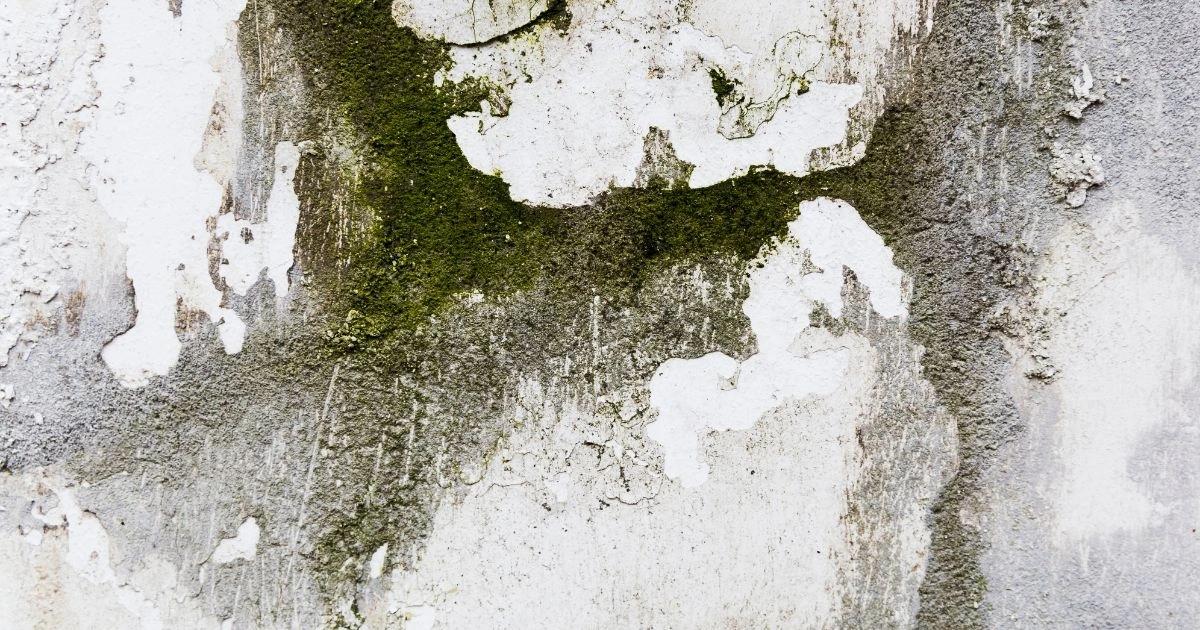
While it seems that ignoring the hidden roof leak now could be a good idea, it will ultimately become a very expensive renovation project in the long run. Water will keep flowing and, therefore, will continue to deteriorate the structure.
These are some of the significant effects of neglecting water damage to your ceilings:
Mold Growth
Mold can form due to moisture within 24 to 48 hours, making it a perfect breeding ground for roof leak mold. Mold can be transported from your attic to walls, air conditioning systems, and living rooms, thus putting your family at risk to their health.
Ceiling and Drywall Damage
Continuous contact with water results in absorption, swelling, and weakening of drywall. This causes staining, peeling, and warping of ceilings and eventually structural failure due to the collapse of wet, heavy drywall.
Insulation Damage
Insulation that gets wet becomes soggy and cannot regulate temperature, which leads to an increase in your energy bills. Additionally, wet fiberglass or cellulose causes water to get trapped against wood in the case of leaks, leading to mold.
Wood Damage
The roof sheathing, rafters, trusses, and wall studs depend on remaining dry to preserve their integrity. Water infiltration will rot the wood, leading to sags in the roofline and costing thousands of dollars in repairs.
More Extensive Restoration
As moisture remains inside the building material for longer periods of time, it is more difficult to save it. It transforms from a relatively easy task of replacing a roof tile into a long process of water removal, mold elimination, new drywall installation, and reconstruction of the structure.
For related information, see our water damage restoration and mitigation service.
Roof Leak vs. Mold: Which Problem Should Be Fixed First?
Both need attention, but the moisture source has to be addressed.
Can a leaking roof cause mold to be removed while the roof continues leaking? The conditions that caused the mold can remain.
A proper restoration approach typically follows this sequence:
1. Identify the water source
2. Stop or repair the leak
3. Locate visible and hidden moisture
4. Dry affected materials
5. Assess mold contamination
6. Remediate affected areas
7. Replace or repair broken materials
8. Ensure that the area is dry and the moisture issue has been addressed
The first approach is critical since the mold will reappear if the moisture problem is left unattended.
When Should You Call a Professional?
Call a professional restoration team when a roof leak has caused significant water intrusion, suspected hidden mold, damaged drywall or insulation, or a persistent musty odor.
A Professional assessment can help determine:
- Where moisture is present
- How far the water has traveled
- Whether mold is visible or hidden
- Which materials can be dried and restored
- Which materials may require removal
- Whether additional remediation is necessary
For homeowners in Macon and Middle Georgia, K.C. Construction & Restoration provides roof leak repair/restoration, water damage restoration, mold inspection, and mold remediation services.
The company’s existing restoration process emphasizes finding the moisture source, inspecting affected areas, containing contamination when necessary, drying the property, and restoring damaged materials.
How K.C. Construction & Restoration Can Help
A leaking roof need not necessarily become a mold issue in the long run.
K.C. Construction & Restoration is here to assist you with all of your mold problems, starting from the source of water damage, up to mold restoration.
Our crew is ready to offer services to residents and business owners located in Macon, Middle Georgia, and surrounding areas.
If you have observed any stains on the ceiling, musty odors, evidence of mold growth, or water damage, acting fast may help avoid additional damage.
Don’t let the smallest roof leaks become mold issues and water damage problems in the future. Contact K.C. Construction & Restoration for an assessment of the damage.
Conclusion: Act Fast Before a Roof Leak Turns Into Mold
Then, can a leaking roof cause mold? Is it possible that a leaky roof will lead to mold growth inside your house? Of course, it is. The smallest roof leak can be barely noticeable in the form of a small stain, but the slightest roof leak will lead to severe water damage in the ceiling and widespread mold caused by the roof leak.
Remember that cleaning up the mold as a result of water damage is impossible without stopping the water leak first. If you feel the presence of any musty odors, wet insulation, or ceiling stains after rainstorms, take care of the matter immediately to avoid a costly restoration project.
Frequently Asked Questions
1. Can a leaking roof cause mold?
Yes. A roof that leaks will cause moisture to be created in places such as the attic, roof sheathing, insulation, ceiling, and walls. When moisture is present for an extended period of time, mold is likely to grow.
2. How quickly can mold grow after a roof leak?
Mold can develop rather quickly when the building materials are damp; nevertheless, the duration will depend on many variables such as the temperature, humidity, kind of building material, airflow, and dampness levels. The best thing would be for you to act immediately and begin the drying process.
3. What does roof leak mold look like?
Roof leaks might lead to mold that could be dark, greenish, gray, white, or even other colors, depending on the substrate where they grow – for instance, roof sheathing, drywall, or wood. However, the appearance of mold is not always indicative of its nature.
4. Can a roof leak cause a ceiling to collapse?
Yes. Prolonged water exposure weakens drywall, causing it to sag, bulge, or absorb enough weight to collapse — especially with wet insulation adding extra load. If you see sagging or soft spots, stay clear and get it inspected right away.
5. Should I repair the roof or remove the mold first?
It is necessary to start dealing with the moisture source right away or simultaneously with the restoration. Otherwise, if the leak from the roof continues, the cleaned areas will get wet once again. The restoration cannot be effective without stopping water intrusion and drying the material.