
Fires can cause devastating damage to homes and businesses, leaving behind smoke, soot, and structural issues. Understanding fire remediation is crucial for property owners to ensure proper cleanup and recovery. Many people confuse fire remediation with fire restoration, but both serve different purposes in the recovery process. In this blog, we’ll break down what fire remediation means, the typical process, and why professional help is essential.
What Is Fire Remediation?
Fire remediation is the process of cleaning, repairing, and mitigating damage caused by fire to prevent further harm. It focuses on removing immediate hazards such as smoke, soot, and water from firefighting efforts. This step is essential to stabilize the property before full restoration begins.
Think of remediation as emergency first aid for your property. Just as a paramedic stabilizes a patient before surgery, fire remediation stabilizes your building before comprehensive restoration work can begin.
Professional fire restoration contractors often provide fire remediation as the first step in the recovery process. Their expertise ensures that your home or business is safe and prepared for more comprehensive restoration work.
Fire Remediation vs. Fire Restoration: What’s the Difference?
While these terms are often used interchangeably, they represent distinct phases of fire recovery:
Fire Remediation
- Focus: Immediate damage control and safety
- Timeline: Begins within hours of the fire
- Primary Goals:
- Remove smoke and soot
- Extract water from firefighting
- Prevent secondary damage
- Secure the property
- Assess salvageable items
- Duration: Typically 1-2 weeks
Fire Restoration
- Focus: Returning property to pre-loss condition
- Timeline: Begins after remediation is complete
- Primary Goals:
- Rebuild damaged structures
- Replace materials beyond repair
- Repaint and refinish surfaces
- Install new fixtures and systems
- Complete cosmetic improvements
- Duration: Can take several weeks to months
The Bottom Line: Fire remediation stops the damage from getting worse, while restoration brings your property back to its original state. You can’t skip remediation and jump straight to restoration—that would be like painting over water damage without fixing the leak.
Insurance Claim Handling: Mitigation vs. Restoration
Fire damage insurance claims can involve both mitigation and restoration, but they are not the same thing. Mitigation deals with the immediate work needed to stop further damage. This may include removing water, cleaning soot, securing the property, and protecting damaged areas.
Restoration comes after that. It focuses on repairing or replacing damaged parts of the property, such as drywall, flooring, walls, ceilings, and fixtures.
Keeping these stages separate also makes it easier to document the work for your insurance claim. Photos, moisture readings, damage reports, and records of the work can help show what was done and why.
The Fire Remediation Process: Step-by-Step
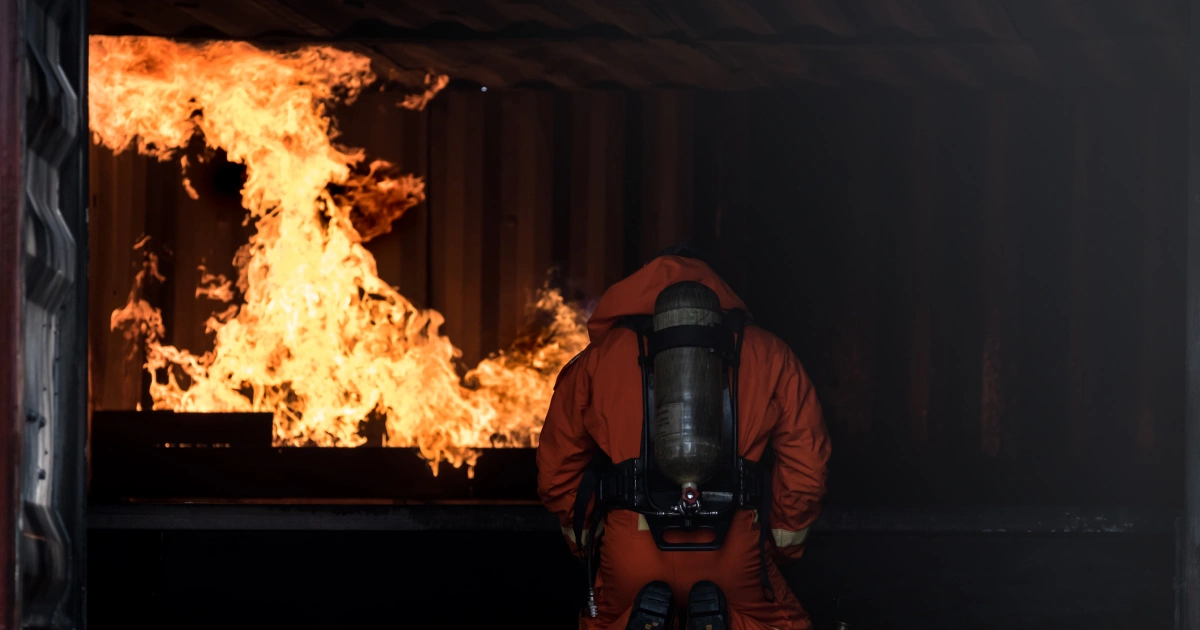
Professional fire remediation involves several critical steps that must be completed in the right order:
Step 1: Emergency Contact and Response
The moment you call KC Construction & Restoration, our 24/7 emergency team springs into action. We arrive quickly because every hour of delay allows smoke acids to etch deeper into surfaces and water to cause more structural damage.
What happens during initial response:
- Safety assessment of the structure
- Documentation for insurance purposes
- Emergency board-up and tarping if needed
- Initial damage evaluation
Step 2: Comprehensive Damage Assessment
Certified fire restoration contractors inspect the property thoroughly to evaluate fire, smoke, and water damage. This isn’t just a visual inspection—we use advanced tools to detect hidden damage.
Our assessment includes:
- Thermal imaging to find hot spots and moisture
- Air quality testing for smoke particles
- Structural integrity evaluation
- Identification of salvageable vs. non-salvageable materials
- Documentation with photos and detailed notes
- Preliminary cost estimates
This assessment creates the roadmap for your entire fire remediation and restoration journey.
Step 3: Property Securing and Safety Measures
Before any cleaning begins, we must ensure the structure is safe for workers and prevent further damage or theft.
Safety measures include:
- Boarding up broken windows and doors
- Tarping damaged roofs to prevent water intrusion
- Shutting off compromised utilities
- Installing temporary fencing if needed
- Posting security measures
- Ensuring structural stability
These steps protect your property from weather, vandalism, and additional deterioration while fire remediation work proceeds.
Step 4: Water Removal and Drying
Water used to extinguish the fire can cause additional damage if not addressed immediately. This is where fire and water restoration expertise becomes critical.
Our water extraction process:
- Industrial-grade water extractors remove standing water
- Commercial dehumidifiers reduce moisture levels
- Air movers promote rapid drying
- Moisture meters monitor progress
- Anti-microbial treatments prevent mold growth
Many property owners don’t realize that water damage from firefighting efforts can be just as destructive as the fire itself. Without proper fire and water restoration techniques, you risk mold growth, wood rot, and structural weakening.
For properties affected by both fire and flooding, specialized fire and flood restoration services address the unique challenges of combined water and fire damage.
Step 5: Smoke and Soot Removal
This is the heart of fire remediation. Smoke and soot are acidic and corrosive—they continue damaging your property every hour they remain.
Professional smoke and soot removal includes:
Surface Cleaning
- Walls and ceilings cleaned with specialized solutions
- Different techniques for wet smoke vs. dry smoke
- Careful cleaning to avoid spreading contamination
Content Cleaning
- Furniture and belongings assessed for salvageability
- On-site cleaning for sturdy items
- Pack-out services for delicate or valuable items
- Specialized fire restoration cleaning for electronics
HVAC System Decontamination
- Complete duct cleaning to remove smoke particles
- Filter replacement
- Blower and coil cleaning
- Prevents recontamination of cleaned areas
Structural Element Cleaning
- Floor joists and studs
- Subflooring
- Insulation removal if contaminated
- Attic and crawl space cleaning
Step 6: Odor Elimination and Air Quality Control
Smoke odor isn’t just unpleasant—it indicates ongoing contamination. Professional fire restoration cleaning eliminates odors at the source rather than masking them.
Advanced odor removal techniques:
Thermal Fogging
- Heated deodorizing solution penetrates the same areas that the smoke reached.
- Neutralizes odor molecules on contact
- Effective for persistent smoke smells
Ozone Treatment
- Ozone generators break down odor molecules at the molecular level
- Used in unoccupied spaces only
- Highly effective for severe smoke damage
Hydroxyl Generators
- Safe for occupied spaces
- Continuous odor neutralization
- Works on smoke, soot, and water damage odors
Air Scrubbing
- HEPA filtration removes microscopic particles
- Improves overall air quality
- Runs continuously during remediation
Sealing and Encapsulation
- Specialized primers seal in remaining odors
- Prevents smoke stains from bleeding through new paint
- Creates a barrier against future odor release
Step 7: Sanitization and Disinfection
Fire scenes often contain biological hazards, chemical residues, and contaminated materials. Professional fire remediation includes thorough sanitization.
What we sanitize:
- All cleaned surfaces
- HVAC components
- Salvaged contents
- Structural elements
- Any areas exposed to contaminated water
This step is especially important when fire and water restoration or fire and flood restoration is involved, as water damage introduces additional contamination risks.
Step 8: Final Inspection and Documentation
Before moving to the restoration phase, we conduct a comprehensive final inspection:
- Air quality testing confirms safe levels
- Moisture readings verify complete drying
- Visual inspection ensures all soot and smoke residue is removed
- Odor check confirms successful elimination
- Photographic documentation of completed work
- Detailed report for insurance and your records
Only after fire remediation is complete and documented can restoration work begin safely and effectively.
Can I Live in My Home During Remediation or Restoration?
It depends on how much damage the fire caused. If the fire was small and the affected area can be separated from the rest of the house, you may be able to stay in another part of the home.
But staying there may not be safe if there is heavy smoke or soot, water damage, damaged wiring, structural problems, or poor air quality. Some cleanup work also requires equipment and chemicals that should not be used around people.
A fire restoration professional can inspect the property and tell you whether it is safe to stay. If the home needs major cleaning, drying, or structural repairs, you may need to stay somewhere else until the work is finished.
Why Is Professional Fire Remediation Essential?
You might wonder if you can handle fire remediation yourself to save money. Here’s why that’s rarely a good idea:
Health and Safety Risks
Toxic Exposure
- Smoke contains carcinogens and toxic chemicals
- Soot particles cause respiratory problems
- Structural instability poses collapse risks
- Electrical hazards from damaged wiring
Proper Protection Required
- Professional respirators (not dust masks)
- Full protective clothing
- Eye protection
- Proper ventilation equipment
Preventing Secondary Damage
Common DIY Mistakes:
- Spreading soot instead of removing it
- Using the wrong cleaning products that set stains
- Inadequate water extraction leading to mold
- Missing hidden damage in walls and ceilings
- Incomplete odor removal
- Recontamination from uncleaned HVAC systems
Professional fire restoration cleaning prevents these costly errors.
Time and Efficiency
What might take you weeks of part-time work, professionals complete in days with proper equipment and expertise. Faster fire remediation means:
- Less ongoing damage
- Lower total costs
- Quicker return to normalcy
- Reduced displacement time
Choosing the Right Fire Restoration Company
Not all fire restoration contractors offer the same level of service. Here’s what to look for:
Essential Qualifications
Certifications and Training
- IICRC (Institute of Inspection, Cleaning and Restoration Certification)
- Fire and smoke restoration specialist certification
- Water damage restoration certification
- Mold remediation certification
Licensing and Insurance
- Proper state contractor licensing
- General liability insurance
- Workers’ compensation coverage
- Bonding for your protection
Experience
- Years in business
- Number of fire remediation projects completed
- Specialization in fire damage (not just general contracting)
- Local knowledge of building codes
Service Capabilities
Comprehensive Services
A quality fire restoration company should offer:
- 24/7 emergency response
- Complete fire remediation services
- Fire and water restoration expertise
- Fire and flood restoration capabilities
- Content cleaning and pack-out services
- Reconstruction and restoration
- Insurance claim assistance
Advanced Equipment
- Industrial water extractors
- Commercial dehumidifiers
- Air scrubbers with HEPA filtration
- Thermal imaging cameras
- Ozone and hydroxyl generators
- Professional cleaning solutions
Customer Service Indicators
Communication
- Clear explanation of processes
- Regular updates on progress
- Accessible project managers
- Transparent pricing
Local Reputation
- Positive online reviews
- Community involvement
- Established local presence
- References available
The KC Construction & Restoration Advantage
When you choose KC Construction & Restoration for fire remediation, you get:
24/7 Emergency Response
Fire damage doesn’t wait for business hours, and neither do we. Call anytime, day or night, and our team responds immediately to begin fire remediation and prevent further damage.
Comprehensive Expertise
We’re not just a fire restoration company—we’re your complete recovery partner:
- Fire remediation and restoration
- Fire and water restoration specialists
- Fire and flood restoration capabilities
- Smoke and soot removal experts
- Mold remediation certified
- Complete reconstruction services
Certified Professionals
Our fire restoration contractors hold industry certifications and undergo continuous training in the latest fire restoration cleaning techniques and technologies.
Advanced Technology
We invest in the best equipment for superior fire remediation results:
- State-of-the-art water extraction systems
- Industrial dehumidifiers and air movers
- Professional air scrubbers
- Thermal imaging for hidden damage detection
- Ozone and hydroxyl generators
- Specialized cleaning solutions
Proven Results
Our track record speaks for itself:
- Hundreds of successful fire remediation projects
- Excellent customer reviews
- High insurance company ratings
- Fast, efficient service
- Quality workmanship guaranteed
Conclusion
Fire remediation is a critical first step in recovering from fire damage. It focuses on cleaning, mitigating hazards, and preparing the property for full restoration. Understanding the difference between remediation and restoration helps you know what to expect and why each phase is essential.
Professional fire remediation isn’t just about making things look better—it’s about:
- Protecting your health and safety
- Preventing ongoing damage
- Properly documenting for insurance
- Preparing for successful restoration
- Saving money in the long run
Whether you need fire and water restoration, fire and flood restoration, or comprehensive fire restoration cleaning, working with certified fire restoration contractors guarantees your property will be restored safely and effectively.
FAQs
How long does fire remediation take?
The time depends on the size of the fire and how much smoke, soot, and water damage is present. Minor cases may take a few days, while more serious damage can take one to two weeks or longer. The existing remediation stage in this process typically takes about 1–2 weeks, while full restoration can take several weeks or months.
How soon after a fire should remediation start?
Fire remediation should start as soon as it is safe to enter the property. Smoke, soot, and water can continue to damage surfaces after the fire is out. Quick action helps limit further damage and gives the restoration team a better chance of saving affected materials and belongings.
Can I clean up fire and smoke damage myself?
Small amounts of light smoke residue may look easy to clean, but fire cleanup is not always a simple household cleaning job. Soot can spread when the wrong cleaning method is used, and hidden damage can be missed. Fire scenes can also have unsafe air, damaged wiring, and weakened structures. For larger fire or smoke damage, professional cleanup is the safer choice.
Does insurance cover fire remediation?
A property insurance policy may cover fire remediation, but coverage depends on the policy and the cause and type of damage. Contact your insurance company as soon as possible and keep photos, reports, receipts, and other records of the damage and cleanup. A restoration company can also help document the work for your claim.
Should you clean smoke damage yourself?
It is better not to handle significant smoke damage on your own. Smoke and soot can settle on walls, ceilings, furniture, HVAC systems, and other surfaces. Using the wrong cleaning products can make some stains harder to remove or spread soot to clean areas. Professional fire restoration cleaning uses the right equipment and methods for the type of smoke damage.