
If you’ve noticed more dust in your home, odd smells when the AC kicks on, or higher energy bills, your ductwork may be the culprit. Duct cleaning removes dirt, allergens, and buildup from your HVAC Duct Cleaning system, improving indoor air quality and efficiency. But how exactly does it work, and is it worth it for homeowners and contractors in Macon, GA? The short answer: yes. When done correctly, HVAC duct cleaning not only freshens the air but also helps your heating and cooling system run smoothly and last longer.
Let’s break down how the process works, the methods professionals use, and the benefits you’ll notice once your ductwork is cleaned.
What Is Duct Cleaning?
At its core, air duct cleaning removes dust, debris, mold, and other contaminants from your HVAC Duct Cleaning system’s ductwork. Over time, ducts collect:
- Dust and pet dander
- Pollen and allergens
- Mold spores from humidity
- Construction debris or pest droppings
Every time your system runs, these particles can circulate through your home. A professional cleaning targets these problem areas and clears your duct system.
How HVAC Duct Cleaning Works
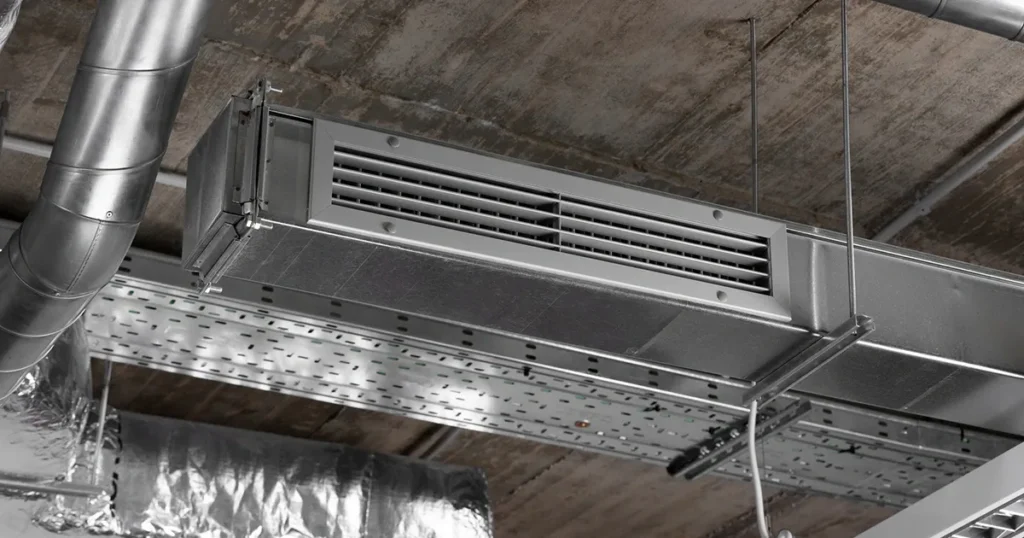
Once a professional crew arrives, the cleaning process follows a series of carefully planned steps to ensure every part of your duct system is addressed.
Step 1: Inspection
Before the cleaning begins, a technician inspects the ductwork using cameras or scopes. This helps identify:
- Blockages or heavy dust buildup
- Signs of mold or moisture
- Damaged duct sections that need repair
Step 2: Containment
The system is sealed off so dust and debris don’t escape into your home. Vent covers are removed, and specialized vacuums are attached to create negative air pressure in the duct system.
Step 3: Agitation
Brushes, air whips, or compressed air tools are fed into the ducts to loosen dirt clinging to the walls. Think of it like scrubbing out a dirty pipe.
Step 4: Extraction
The loosened debris is pulled into a high-powered vacuum system, typically equipped with HEPA filters to capture even the smallest particles.
Step 5: Finishing Touches
- Sanitizers or disinfectants may be applied if mold or bacteria are found.
- Filters in your HVAC unit are replaced.
- The technician may also suggest sealing any gaps in ductwork to prevent future dust infiltration.
Standard Methods of Ductwork Cleaning
Not all duct cleaning is the same. Professionals may use one or a combination of these methods:
- Negative Air Cleaning
- A large vacuum creates suction throughout the duct system.
- Debris is dislodged and pulled into the vacuum.
- Effective for most residential systems.
- Rotary Brush Cleaning
- A spinning brush scrubs the inside walls of ducts.
- Works well for stubborn buildup, though it must be done carefully to avoid damage.
- Air Sweep (or Compressed Air Cleaning)
- High-pressure air tools are used to blow debris toward the vacuum.
- Ideal for light to moderate contamination.
- Sanitizing and Deodorizing
- Optional step if mold, bacteria, or odors are present.
- Safe antimicrobial treatments can neutralize lingering issues.
Benefits of HVAC Duct Cleaning
So why go through the trouble? Here’s what homeowners and contractors in Macon can expect after ductwork cleaning:
- Cleaner Air – Reduces dust, pollen, mold spores, and pet dander circulating in your home.
- Healthier Environment – Can ease allergy or asthma symptoms by removing airborne irritants.
- Better HVAC Efficiency – A clean system doesn’t have to work as hard, which can lower energy bills.
- Extended System Life – Less buildup means less strain on motors and fans, helping your HVAC last longer.
- Odor Removal – Gets rid of musty smells caused by mold or old dust.
Signs Your Ducts Need Cleaning
Wondering if it’s time to call in the pros? Look out for these red flags:
- Dust blowing from vents when the system turns on
- Persistent musty or smoky odors
- Mold growth around vents or inside ducts
- Inconsistent airflow between rooms
- Rising energy bills without explanation
If you notice one or more of these, professional air duct cleaning is likely overdue.
It’s also worth noting that dirty ducts often go hand-in-hand with other hidden problem areas in a home. For example, excess dust and mold in your HVAC system may point to issues in your crawl space. Pairing duct cleaning with a thorough crawl space cleaning can eliminate moisture, pests, and debris at the source, keeping your air cleaner and your ducts from getting dirty again too quickly.
How Often Should You Clean Your Ducts?
The National Air Duct Cleaners Association (NADCA) suggests that most homes be cleaned every 3–5 years. However, you may need more frequent cleaning if:
- You have pets that shed heavily
- Someone in the home has allergies or asthma
- You’ve recently done remodeling or construction
- There’s been water damage or mold issues
Professional vs. DIY
Some homeowners wonder if they can vacuum the ducts themselves. The truth? Standard home vacuums won’t reach deep enough or generate the suction needed.
Professional-grade tools are essential for thorough cleaning without damaging ductwork.
DIY efforts may remove surface dust near vents, but only trained technicians can complete a full system cleaning.
Final Thoughts
HVAC duct cleaning isn’t just about tidying up hidden spaces. It’s a wise investment in your home’s comfort, your family’s health, and your system’s efficiency. From removing dust and allergens to improving airflow and cutting energy costs, the benefits add up quickly.
If you’re in Macon, Georgia, and want fresh, clean air and a more efficient HVAC system, it’s time to take action.
Contact KC Construction today for professional duct cleaning and other home restoration services. Let us help you breathe easier and protect your investment with our HVAC Duct Cleaning Service now.