
Quick Ans: Smoke soot cleanup requires an immediate combination of HEPA air scrubbing, dry soot removal using chemical sponges, thermal fogging or hydroxyl deodorization, and chemical surface cleaning. Because soot is acidic and smoke particles embed deeply into walls and fabrics, quick professional smoke remediation is necessary to prevent permanent surface staining and eliminate persistent odors.
When a fire strikes your home or business, the flames aren’t the only threat. Even after firefighters extinguish the blaze, smoke damage and soot damage continue wreaking havoc on your property. At KC Construction Services Inc in Macon, GA, our certified soot cleaning services stop ongoing structural damage, eliminate stubborn smells, and restore your property safely.
What Should You Do After Smoke and Soot Damage?
Taking immediate action within the first 24 to 48 hours is critical to prevent acidic soot from permanently ruining your property:
- Wait for Safety Clearance: Never enter the building until local fire officials confirm the structure is safe.
- Contact Emergency Services: Call KC Construction Services Inc immediately for emergency soot removal and soot cleanup.
- Document Property Damage: Photograph all soot lines, discolored walls, and ruined contents for insurance claims before touching anything.
- Ventilate the Space: Open windows to establish cross-ventilation if weather permits, but do not turn on your HVAC system, as it will blow soot into unaffected rooms.
- Avoid Touching Surfaces: Do not wipe walls or furniture with bare hands or household rags oils from your hands and improper wiping will press acidic soot deeper into porous surfaces.
What Is Meant By Smoke Damage?
Smoke damage happens when microscopic particles and acidic gases from combustion settle throughout your property. Unlike visible flames, smoke travels through every crack, crevice, and air duct, contaminating areas far from the fire’s origin.
Those particles continue causing damage long after the fire is out, etching glass, corroding metal, yellowing walls, and creating persistent odors that penetrate deep into porous materials.
The Three Types of Smoke
Different fires produce distinct residue types that require specialized soot cleaning services:
- Wet Smoke: Produced by low-heat, smoldering plastic or rubber fires. It leaves a sticky, pungent, smeary residue that requires heavy solvent cleaning.
- Dry Smoke: Produced by high-heat, fast-burning wood or paper fires. It leaves a dry, powdery ash that responds best to HEPA vacuuming and chemical soot sponges.
- Protein Residue: Produced by kitchen fires involving meat or organic oils. It leaves an almost invisible greasy film that creates a severe, persistent odor.
When Furnace Puff-Back Leaves Fuel Oil Soot Behind
A furnace puff-back happens when an oil-burning furnace or boiler experiences an ignition failure, sending an explosion of oily soot throughout the building via air vents.
Smoke soot cleanup for puff-backs requires specialized degreasers and air duct decontamination to prevent oily residue from smearing across drywall, furniture, and ceilings.
What Surfaces and Belongings Can Smoke and Soot Damage?
Smoke and soot affect nearly every surface in a home, requiring tailored soot removal approaches for different materials:
- Porcelain, Tile, and Metals: Acidic soot causes pitting, corrosion, and yellowing within hours if not neutralized quickly.
- Drywall, Paint, and Wood: Porous surfaces absorb smoke gases, causing permanent discoloration and deep structural odors.
- Textiles, Carpets, and Clothes: Fabric fibers trap soot particles instantly, requiring specialized laundering or ozone chamber treatments.
- Electronics & Appliances: Conductive soot residue settles on internal circuit boards, causing short circuits and sudden appliance failure. Read more about smoke damage to electronics after smoke exposure.
Why Does Smoke Odor Remain After Soot Is Cleaned?
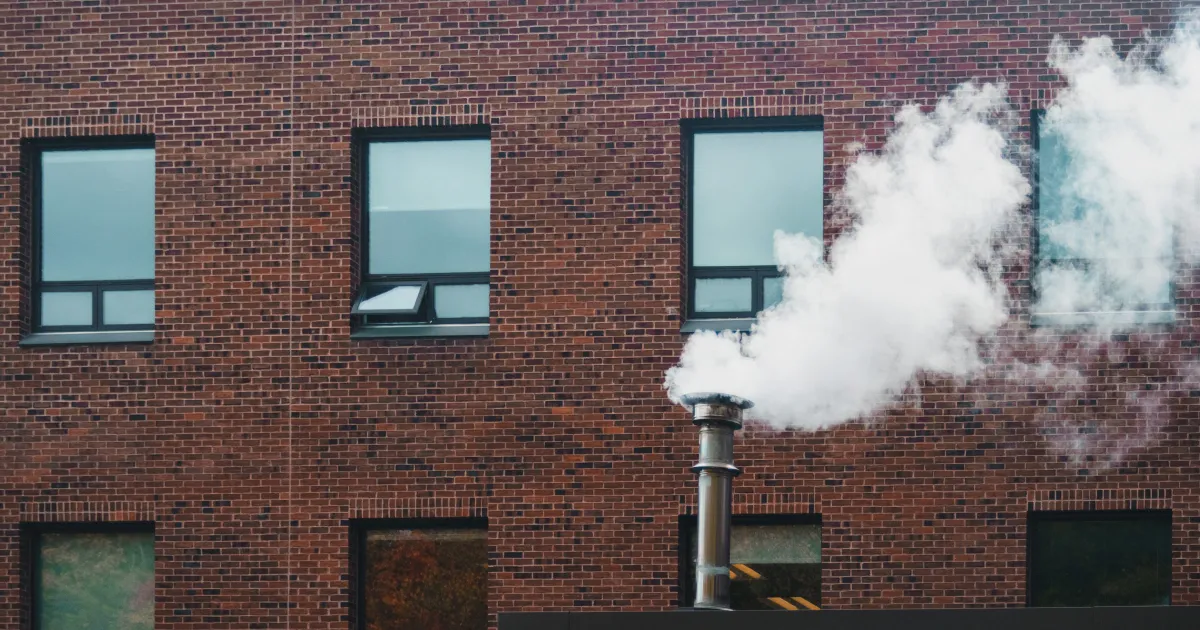
Many homeowners wonder why a burnt smell lingers even after visible soot is wiped away. Smoke gases penetrate deep inside porous materials like drywall framing, subflooring, insulation, and upholstery. Standard surface wiping only removes the top layer of solid soot.
When room temperature or humidity rises, the deeply trapped odor molecules gas off into the room. Complete odor elimination after fire requires thermal fogging or hydroxyl treatments to neutralize odor compounds at the molecular level. For more details, read our guide on how to get rid of fire smoke smell.
Is It Safe to Clean Soot Yourself?
Attempting DIY soot cleanup without professional training and personal protective equipment (PPE) is unsafe and often causes worse property damage:
- Spreading and Smearing: Wiping soot with regular household rags or water-based cleaners grinds oily carbon particles deeper into drywall pores and wood grain, turning a cleanable surface into a permanent stain.
- Health and Respiratory Exposure: Soot particles contain fine particulate matter and chemical combustion byproducts that irritate lungs, eyes, and skin. Inhaling airborne soot without an industrial N-95 or full-face respirator presents unnecessary health risks.
- Inadequate Equipment: Household vacuums lack HEPA filtration and will blow microscopic soot particles directly out of the exhaust port, contaminating the entire home’s air supply.
Professional Smoke and Soot Cleanup Process
Effective smoke remediation and soot cleaning services require a systematic approach:
- Emergency Assessment: Evaluating damage extent, smoke classification, and structural safety.
- Property Ventilation & HEPA Air Scrubbing: Running industrial air scrubbers with carbon filters to clean the air.
- Dry Soot Removal: Utilizing specialized dry chemical sponges and HEPA vacuums to lift loose carbon without smearing.
- Wet Surface Washdown: Applying surface-appropriate chemical counteractants to neutralize acidic residue.
- Deep Textile Cleaning: Hot water extraction and specialized laundering for salvageable fabrics.
- HVAC Duct Decontamination: Cleaning return plenums, registers, and ductwork to eliminate hidden reservoirs of soot.
- Odor Elimination After Fire: Deploying thermal foggers, ozone machines, or hydroxyl generators to destroy odor molecules deep inside wall cavities.
- Protective Sealing: Applying odor-blocking shellac primers before repainting to lock in any trace microscopic particles.
Emergency Response: What to Do After a Fire
Immediate Actions (First 24 Hours)
- Confirm the fire department has officially cleared the structure as safe to enter.
- Contact KC Construction Services Inc for 24/7 emergency response.
- Take detailed timestamped photos for your insurance adjuster.
- Do not turn on ceiling fans or HVAC systems.
- Avoid walking on soot-covered carpets to keep from grinding particles into subflooring.
Why Choose KC Construction Services Inc?
When fire strikes, you need an experienced smoke remediation partner in Macon, GA:
- 24/7 Emergency Availability: Fast response teams on-site within hours.
- Advanced Technology: Industrial HEPA air scrubbers, thermal foggers, and hydroxyl generators.
- Insurance Handling: We work directly with your adjuster, submitting moisture and drying logs to streamline your claim.
Call KC Construction Services Inc today at 478-785-0444 for professional smoke soot cleanup and restoration services.
Conclusion
Smoke damage and soot damage are serious threats that require immediate professional attention. While they differ in composition and appearance, both can cause permanent harm to your property and health if not properly addressed.
Effective fire damage clean up isn’t just about making things look better it’s about eliminating health hazards, preventing ongoing corrosion, and fully restoring your property to pre-loss condition. Professional smoke damage cleaning, comprehensive smoke remediation, and expert fire restoration make the difference between temporary fixes and complete recovery.
Don’t let smoke and soot continue destroying your property. The longer you wait, the more damage occurs and the harder restoration becomes. KC Construction Services Inc is here 24/7 with the expertise, equipment, and commitment to bring your property back to life.
Frequently Asked Questions
Does smoke damage always cause a persistent odor?
No. Smoke damage does not always leave a strong smell that lasts for a long time. The odor depends on what burned, how much smoke entered the property, and how quickly the affected areas were cleaned.
A lingering smell usually means smoke particles or residue are still present somewhere in the property. They may be inside fabrics, walls, furniture, carpets, or the HVAC system. Cleaning the visible surfaces alone may not remove the source of the odor.
Do other rooms need restoration if only one room had the fire?
They may. Smoke can move through doorways, cracks, vents, and the HVAC system and reach rooms that were not directly affected by the flames.
This does not mean every room will need the same level of restoration. A professional inspection can show where smoke and soot have traveled and which areas actually need cleaning.
Why does my house still smell like smoke after cleaning?
A smoke smell can remain when smoke particles have reached places that were not cleaned. Carpets, upholstery, drywall, insulation, air ducts, and other porous materials can hold smoke residue.
Air fresheners may cover the smell for a short time, but they do not remove the source. If the odor keeps coming back after cleaning, the property may need deeper smoke cleaning, HVAC cleaning, deodorization, or sealing of affected surfaces.
What is furnace puff-back soot damage?
Furnace puff-back soot damage occurs when an oil-burning furnace or boiler has a small ignition problem and sends soot through the home’s heating system. The soot can travel through vents and settle on walls, ceilings, furniture, and other belongings.
It can leave black or gray residue and a strong odor. Cleaning it with regular household products can spread the soot or push it deeper into some surfaces. Professional fire damage cleanup can help remove the residue and identify areas that need further cleaning.
One Response