
When a fire strikes your home or business, the flames aren’t the only threat. Even after firefighters extinguish the blaze, smoke damage and soot damage continue wreaking havoc on your property. These invisible enemies can corrode surfaces, embed themselves in fabrics, and create health hazards that last for months if not properly addressed.
At KC Construction & Restoration in Macon, GA, we’ve seen firsthand how devastating post-fire damage can be. Understanding the difference between smoke and soot—and knowing the right fire damage clean-up approach—can mean the difference between a successful restoration and permanent loss.
What Is Meant By Smoke Damage?
Smoke damage happens when microscopic particles and acidic gases from combustion settle throughout your property. Unlike visible flames, smoke travels through every crack, crevice, and air duct, contaminating areas far from the fire’s origin.
The real danger? Smoke doesn’t just disappear when the fire ends. Those particles continue causing damage—etching glass, corroding metal, yellowing walls, and creating persistent odors that penetrate deep into porous materials.
Specific Smoke Compounds
Smoke is not one single substance. Its makeup depends on what burned during the fire. Burning wood, plastic, fabric, rubber, paint, and other materials can release different particles and gases.
Some smoke compounds can settle on walls, furniture, electronics, and other surfaces. Others can travel through air ducts and reach rooms far from the fire. This is why smoke damage can affect more of a property than the area where the flames were located.
The type of material that burned also affects the smell, residue, and cleaning method needed. A professional inspection helps identify the areas that need cleaning and the right approach for each surface.
Three Main Types of Smoke
Wet Smoke Damage
Created by low-heat, smoldering fires that burn slowly. This type produces sticky, thick residue with a pungent smell that’s notoriously difficult to remove. Materials like rubber and plastic create wet smoke when they burn. Professional smoke damage cleaning is essential because this residue smears easily and can permanently stain surfaces if handled incorrectly.
Dry Smoke Damage
Results from fast-burning, high-temperature fires. It leaves fine, powdery ash that’s easier to clean than wet smoke but spreads rapidly throughout your property. Paper and wood typically produce dry smoke. While less sticky, it can still cause significant damage if not addressed with proper smoke remediation techniques.
Protein Residue
Often overlooked, protein smoke comes from kitchen fires involving meat or other organic materials. It leaves nearly invisible discoloration but produces an incredibly strong odor that standard cleaning can’t eliminate. This type requires specialized smoke damage clean-up methods to neutralize the smell completely.
When Furnace Puff-Back Leaves Fuel Oil Soot Behind
A furnace puff-back happens when an oil-burning furnace or boiler has a small ignition problem that sends soot and combustion residue into the home through the heating system.
Instead of staying in one area, the soot can travel through vents and settle on walls, ceilings, furniture, flooring, and other belongings. You may notice black or gray marks, a strong oily smell, or soot around vents and other surfaces.
Furnace puff-back cleanup needs care because wiping the soot with ordinary cloths or cleaners can spread the residue and make stains harder to remove. The heating system and affected areas may also need to be checked and cleaned to prevent more soot from spreading.
Warning Signs You Have Smoke Damage
- Strong smoky odor that lingers for days or weeks after the fire
- Yellow or brown staining on walls, ceilings, and light fixtures
- Discolored grout lines and tile surfaces
- Tarnished silverware, jewelry, and metal fixtures
- Cloudy windows and mirrors that won’t clear
- Peeling paint or wallpaper
- Respiratory irritation when inside the property
The acidic nature of smoke means damage accelerates over time. What starts as light discoloration can become permanent etching within days, making immediate fire restoration critical.
What You Need to Know About Soot Damage
Soot damage is the visible black residue left after incomplete combustion. Composed primarily of carbon particles, soot settles on every surface it touches—walls, furniture, electronics, and even inside your HVAC system.
Think of soot as fire’s calling card. While smoke is invisible and travels through the air, soot is tangible and leaves unmistakable black marks wherever it lands.
Why Soot Is So Dangerous
It’s Highly Acidic
Soot contains acids that actively corrode metals, plastics, and other materials. Electronics are particularly vulnerable—soot can short-circuit devices and cause failures weeks after the fire.
It Penetrates Deep
Soot doesn’t just sit on surfaces. It works its way into carpet fibers, upholstery, drywall pores, and wood grain. Without professional fire clean-up, it becomes nearly impossible to remove completely.
It Poses Serious Health Risks
Inhaling soot particles irritates the lungs and can trigger asthma attacks. Long-term exposure has been linked to respiratory diseases and cardiovascular problems. Children and elderly individuals are especially vulnerable.
It Spreads Easily
Touch a soot-covered surface, and you’ll spread those particles everywhere. Your HVAC system can distribute soot throughout your entire property, contaminating rooms that weren’t even near the original fire.
It Stains Permanently
If not removed quickly, soot bonds with surfaces at a molecular level. Once that happens, even professional fire damage clean-up may not fully restore the original appearance.
Smoke vs. Soot: Key Differences
Understanding what you’re dealing with helps determine the right restoration approach:
Composition
- Smoke damage: Gaseous particles and acidic compounds
- Soot damage: Solid carbon particles and ash
Visibility
- Smoke damage: Often invisible or causes subtle discoloration
- Soot damage: Highly visible black or gray residue
Spread Pattern
- Smoke damage: Travels through the air, penetrates everywhere
- Soot damage: Settles on surfaces, spreads when disturbed
Cleaning Difficulty
- Smoke damage: Requires specialized smoke remediation and odor neutralization
- Soot damage: Needs careful removal to avoid spreading and embedding deeper
Health Impact
- Smoke damage: Respiratory irritation from airborne particles and odors
- Soot damage: Direct contact hazards plus inhalation risks
Time Sensitivity
- Both require immediate attention, but smoke damage cleaning becomes exponentially harder after 48 hours, as acids etch surfaces permanently….
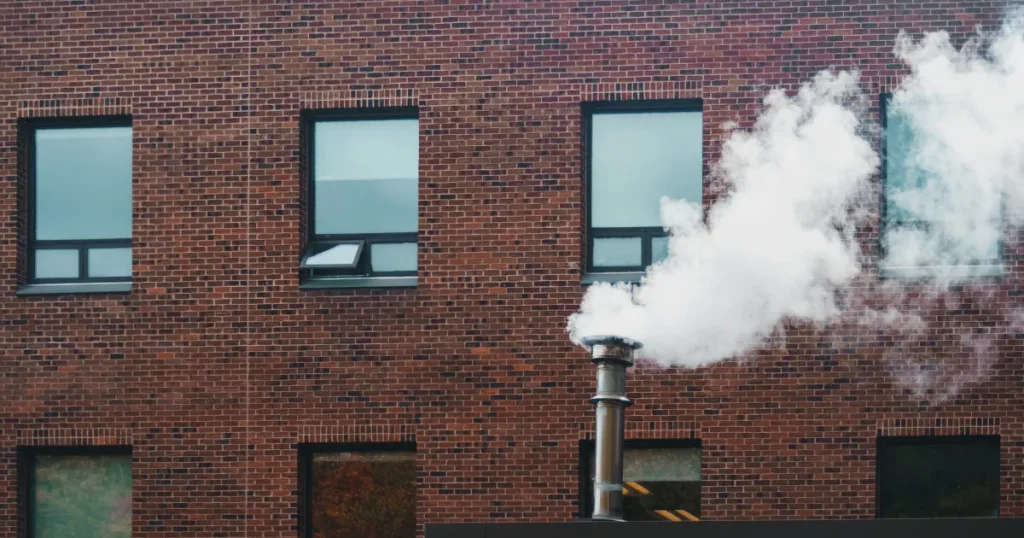
Professional Smoke Damage Remediation Process
Effective smoke damage clean up requires a systematic, multi-step approach:
Step 1: Emergency Assessment
Our team arrives within hours to evaluate the extent of damage. We identify smoke types, check air quality, and create a customized restoration plan. Time is critical—the sooner we start, the more we can save.
Step 2: Property Ventilation
We establish proper airflow to begin removing smoke particles from the air while preventing cross-contamination to unaffected areas.
Step 3: Air Scrubbing and Filtration
Industrial-grade air scrubbers with HEPA filters capture microscopic smoke particles. We run these continuously during the entire fire restoration process to improve air quality.
Step 4: Surface Cleaning
Different surfaces require different approaches:
- Walls and ceilings: Specialized cleaning solutions that don’t spread residue
- Wood surfaces: Gentle cleaners that won’t damage finishes
- Metal fixtures: Acid-neutralizing treatments to stop corrosion
- Glass and mirrors: Professional products that remove etching
Step 5: Deep Cleaning Fabrics and Upholstery
Smoke penetrates fabrics deeply. We use specialized techniques, including:
- Dry cleaning for delicate materials
- Hot water extraction for carpets
- Ozone treatment for persistent odors
- Professional laundering for salvageable textiles
Step 6: HVAC System Decontamination
Smoke travels through your entire ventilation system. We thoroughly clean:
- Air ducts and vents
- Filters (usually replaced)
- Blower assemblies
- Return air plenums
Step 7: Odor Elimination
Standard air fresheners mask odors temporarily. Professional smoke remediation eliminates them permanently through:
- Thermal fogging: Penetrates the same areas that smoke reached
- Ozone treatment: Breaks down odor molecules at the source
- Hydroxyl generators: Safe for occupied spaces, neutralizes odors continuously
- Sealing: Encapsulates remaining particles to prevent odor return
Step 8: Final Inspection and Testing
We verify air quality meets safety standards and ensure no smoke residue remains before returning your property to you.
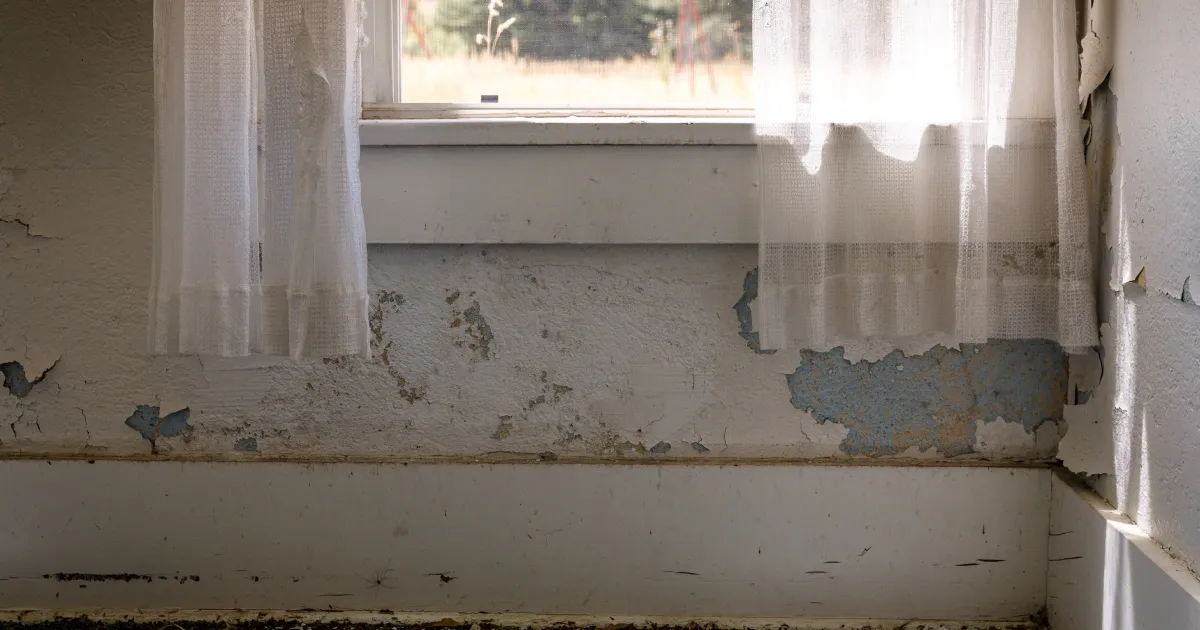
Comprehensive Soot Damage Restoration
Soot damage requires careful handling to avoid making things worse:
Initial Containment
We seal off affected areas to prevent soot from spreading during cleanup. Plastic sheeting and negative air pressure keep particles contained.
Dry Soot Removal
Before any wet cleaning, we remove loose soot using:
- HEPA vacuums: Capture particles without releasing them back into the air
- Dry chemical sponges: Lift soot from walls without smearing
- Specialized brushes: Gently remove soot from textured surfaces
Deep Cleaning Process
Once loose soot is removed, we proceed with wet cleaning:
- Walls and ceilings: Degreasing agents for oily soot, gentle cleaners for dry soot
- Floors: Different approaches for hardwood, tile, and carpet
- Contents: Item-by-item cleaning or off-site restoration for valuable belongings
Deodorization
Soot carries strong odors that require professional treatment. We use the same advanced techniques as smoke damage cleaning: thermal fogging, ozone, and hydroxyl generation.
Protective Sealing
After cleaning, we apply specialized primers and sealants that:
- Prevent soot stains from bleeding through new paint
- Lock in any microscopic particles that couldn’t be removed
- Protect surfaces from future damage
Content Restoration
Many soot-damaged items can be saved with professional fire cleanup:
- Electronics: Specialized cleaning to remove conductive soot
- Documents: Freeze-drying and careful cleaning
- Artwork: Expert restoration techniques
- Furniture: Deep cleaning and refinishing
Why DIY Fire Damage Clean Up Often Fails
We understand the urge to start cleaning immediately, but here’s why professional fire restoration is essential:
You Can Make Damage Worse
- Wiping soot with regular cloths grinds it deeper into surfaces
- Wrong cleaning products can set stains permanently
- Improper techniques spread contamination to clean areas
Health Hazards
- Soot and smoke contain toxic chemicals from burned materials
- Without proper protective equipment, you risk serious exposure
- Disturbing soot releases particles into the air you breathe
Hidden Damage Goes Undetected
- Smoke travels through walls, insulation, and ductwork
- Professionals have tools to detect hidden contamination
- Electrical systems may be compromised and dangerous
Incomplete Odor Removal
- Consumer products mask odors temporarily
- Professional smoke remediation eliminates the source
- Odors return within days or weeks without proper treatment
Insurance Complications
- DIY attempts may void coverage
- Professionals document everything for claims
- Improper cleaning can reduce settlement amounts
Time and Cost
- What seems cheaper initially often costs more long-term
- Permanent damage from improper cleaning requires replacement
- Professional restoration is usually faster and more thorough
Health Risks You Can’t Ignore
Both smoke damage and soot damage create serious health concerns:
Immediate Effects
- Coughing, wheezing, and shortness of breath
- Eye, nose, and throat irritation
- Headaches and dizziness
- Skin rashes from direct contact
- Nausea from chemical exposure
Long-Term Risks
- Chronic respiratory conditions
- Aggravated asthma and allergies
- Increased cancer risk from carcinogenic compounds
- Cardiovascular problems from fine particle exposure
Vulnerable Populations
Children, elderly individuals, pregnant women, and those with existing health conditions face elevated risks. Professional fire damage clean-up protects everyone in your household.
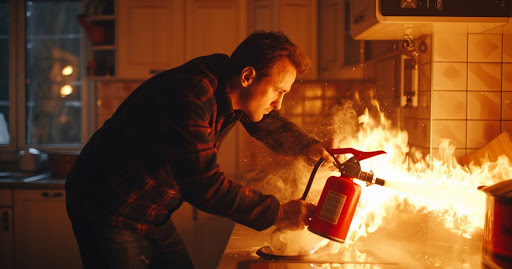
Emergency Response: What to Do After a Fire
Immediate Actions (First 24 Hours)
- Ensure the fire department has cleared the property as safe
- Contact KC Construction & Restoration immediately—we’re available 24/7
- Don’t attempt to clean soot damage yourself
- Ventilate if safe, but don’t run HVAC systems
- Document everything with photos for insurance
- Avoid touching walls, furniture, or belongings
- Don’t use any electronics until inspected
First Week
- Meet with our restoration team for a detailed assessment
- Work with your insurance adjuster
- Secure the property against weather and theft
- Begin professional smoke damage cleaning immediately
- Arrange temporary housing if needed
Long-Term Recovery
- Follow all recommendations from your restoration team
- Complete all phases of fire restoration before reoccupying
- Address any structural repairs identified
- Replace damaged items that can’t be restored
- Update fire safety systems before moving back in
Prevention: Protecting Your Property
While you can’t prevent every fire, you can minimize risk and damage:
Fire Prevention Basics
- Install smoke detectors on every level and in every bedroom
- Test alarms monthly and replace batteries twice yearly
- Keep fire extinguishers accessible and know how to use them
- Never leave cooking unattended
- Maintain electrical systems and replace damaged cords
- Clean dryer vents regularly
- Store flammable materials properly
- Have chimneys inspected and cleaned annually
Minimize Potential Damage
- Create and practice a family evacuation plan
- Keep important documents in fireproof safes
- Maintain adequate insurance coverage
- Know your fire restoration company before you need them
- Keep emergency contact information accessible
Regular Maintenance
- Schedule annual fire safety inspections
- Service HVAC systems to prevent soot buildup
- Address electrical issues immediately
- Replace old appliances that pose fire risks
Why Choose KC Construction & Restoration?
When fire strikes, you need a smoke damage restoration partner you can trust completely:
24/7 Emergency Response
Fires don’t wait for business hours, and neither do we. Call anytime, day or night, and we’ll be there within hours to begin fire damage clean-up.
Comprehensive Restoration Services
From initial smoke damage clean up through final reconstruction, we handle every aspect of recovery. No need to coordinate multiple contractors—we do it all.
Certified and Experienced Professionals
Our team holds certifications in fire restoration, smoke remediation, and damage mitigation. We’ve successfully restored over 350 properties in Macon and Middle Georgia.
Advanced Equipment and Techniques
We invest in the latest technology:
- Industrial air scrubbers and HEPA filtration
- Thermal imaging to detect hidden damage
- Ozone and hydroxyl generators for odor elimination
- Specialized cleaning solutions for every surface type
Insurance Expertise
We work directly with insurance companies, providing detailed documentation and fair estimates. Our goal is to maximize your coverage while minimizing your stress.
Local Knowledge
As a Macon-based company, we understand local building codes, climate challenges, and community needs. We’re your neighbors, committed to helping our community recover.
Proven Results
Our 350+ satisfied clients and excellent reviews speak for themselves. We don’t just clean up damage—we restore peace of mind.
Conclusion
Smoke damage and soot damage are serious threats that require immediate professional attention. While they differ in composition and appearance, both can cause permanent harm to your property and health if not properly addressed.
Effective fire damage clean up isn’t just about making things look better—it’s about eliminating health hazards, preventing ongoing corrosion, and fully restoring your property to pre-loss condition. Professional smoke damage cleaning, comprehensive smoke remediation, and expert fire restoration make the difference between temporary fixes and complete recovery.
Don’t let smoke and soot continue destroying your property. The longer you wait, the more damage occurs and the harder restoration becomes. KC Construction & Restoration is here 24/7 with the expertise, equipment, and commitment to bring your property back to life.
Frequently Asked Questions
Does smoke damage always cause a persistent odor?
No. Smoke damage does not always leave a strong smell that lasts for a long time. The odor depends on what burned, how much smoke entered the property, and how quickly the affected areas were cleaned.
A lingering smell usually means smoke particles or residue are still present somewhere in the property. They may be inside fabrics, walls, furniture, carpets, or the HVAC system. Cleaning the visible surfaces alone may not remove the source of the odor.
Do other rooms need restoration if only one room had the fire?
They may. Smoke can move through doorways, cracks, vents, and the HVAC system and reach rooms that were not directly affected by the flames.
This does not mean every room will need the same level of restoration. A professional inspection can show where smoke and soot have traveled and which areas actually need cleaning.
Do I need restoration if only one room in my house caught fire?
Not necessarily for the entire house, but the other areas should still be checked. Fire damage can be limited to one room while smoke, soot, and odor spread beyond the area where the fire started.
The affected room may need major repairs, while nearby rooms may only need smoke cleaning or deodorization. The amount of restoration depends on the fire, smoke movement, and damage found during the inspection.
Why does my house still smell like smoke after cleaning?
A smoke smell can remain when smoke particles have reached places that were not cleaned. Carpets, upholstery, drywall, insulation, air ducts, and other porous materials can hold smoke residue.
Air fresheners may cover the smell for a short time, but they do not remove the source. If the odor keeps coming back after cleaning, the property may need deeper smoke cleaning, HVAC cleaning, deodorization, or sealing of affected surfaces.
What is furnace puff-back soot damage?
Furnace puff-back soot damage occurs when an oil-burning furnace or boiler has a small ignition problem and sends soot through the home’s heating system. The soot can travel through vents and settle on walls, ceilings, furniture, and other belongings.
It can leave black or gray residue and a strong odor. Cleaning it with regular household products can spread the soot or push it deeper into some surfaces. Professional fire damage cleanup can help remove the residue and identify areas that need further cleaning.
One Response