
Fire damage restoration takes anywhere from two weeks to twelve months. Most homes fall somewhere in the middle, around three to five months, depending on how far the damage spreads, how quickly your insurance moves, and what professionals find behind walls and inside structural framing.
If you just went through a fire, that range probably feels unhelpful. This guide breaks it down phase by phase, by damage level, and explains exactly what pushes timelines longer so you know what to realistically expect and what you can do about it.
Before anything else, if you have not already taken the first steps after your fire, the guide on what to do immediately after a home fire covers that in detail.
Fire Damage Restoration Timeline: Quick Reference
| Phase | What Happens | Typical Duration |
| Phase 1: Emergency Response | Board-up, tarping, safety securing | 24 hours to 7 days |
| Phase 2: Assessment and Insurance | Damage inspection, insurance review | 1 to 2 weeks |
| Phase 3: Cleanup and Soot Removal | Debris removal, soot, smoke cleaning | 2 to 4 weeks |
| Phase 4: Water Damage and Drying | Extraction, dehumidification, mold prevention | 1 to 2 weeks |
| Phase 5: Repairs and Reconstruction | Structural repair, rebuild, finishes | 3 weeks to 9 months |
| Total | Minor fire to major structural loss | 2 weeks to 12 months |
Sources: Angi 2026, IICRC restoration standards, Insurance Information Institute
Phase 1: Emergency Response (24 Hours to 7 Days)
The fire restoration process does not begin the moment the flames are out. The fire department must complete their investigation and officially release the property before any restoration crew can enter. That alone can take 24 to 72 hours.
Once the property is released, the restoration team moves in to secure it. This includes emergency board-up of broken windows and doors, tarping of damaged roof sections, and setting up temporary power and dehumidification equipment to begin controlling moisture from firefighting water before mold gets a foothold.
In Georgia’s warm, humid climate, this step is especially time-sensitive. Mold can begin growing in wet fire-damaged areas within 24 to 48 hours. Every hour of delay in deploying drying equipment after a water-soaked fire scene adds mold risk to an already complex job.
KC Construction and Restoration responds 24/7 and deploys a team immediately after property release to begin emergency stabilization the moment it is safe to do so.
Phase 2: Damage Assessment and Insurance (1 to 2 Weeks)
This is the phase most homeowners underestimate. Before any major fire damage cleanup can begin, your insurance company needs to conduct their own inspection, complete an adjuster review, and provide scope approval for the restoration work.
What you can do to speed this up: call your insurance company the same day as the fire, not the next day. Get your restoration company on site during the insurance inspection if possible. A professional restoration team that documents damage with moisture readings, photo evidence, and a detailed scope report tends to move insurance approvals faster than a homeowner walking an adjuster through the scene alone.
Hidden damage discovered during assessment often extends the approved scope. Smoke and soot travel through HVAC systems, into attic spaces, and behind walls far beyond what looks burned. A thorough professional assessment at this phase prevents costly delays later when additional damage is found mid-project.
The average fire damage insurance claim runs $130,752, according to the Insurance Information Institute. Claims of this size take time to process. Build two weeks of insurance review time into your expectations from day one.
Phase 3: Fire Damage Cleanup and Smoke Restoration (2 to 4 Weeks)
Once the insurance scope is approved, crews move into the most labor-intensive phase of the fire damage cleanup timeline: soot removal, smoke damage restoration, debris disposal, and decontamination.
Soot and smoke damage do not stop at the burn zone. Smoke travels through every gap, duct, and opening in a home. It coats surfaces with an oily, acidic residue that begins corroding metals, staining walls, and embedding into fabrics within hours of exposure. The longer this phase is delayed, the more material becomes unsalvageable and the higher the replacement cost.
This phase includes:
Removal of all fire-damaged materials (charred drywall, insulation, flooring, structural framing that cannot be saved). Deep cleaning of every surface with professional-grade soot cleaning agents. Smoke damage restoration using air scrubbers and HEPA filtration equipment. Odor neutralization using thermal fogging, hydroxyl generators, or ozone treatments, depending on the type and severity of smoke. HVAC and ductwork inspection and cleaning to prevent smoke odor from circulating through the rebuilt home.
Smoke odor remediation for a contained fire can take one to three days. For a whole-home fire with smoke penetration throughout, full odor elimination takes two to four weeks or longer. This is one of the most commonly underestimated parts of the fire restoration process, and one of the most important to get right. A home that looks clean but still smells like smoke has not been fully restored.
For a deeper look at smoke odor and the techniques used to eliminate it, see the smoke odor removal guide on this site.
Phase 4: Water Damage from Firefighting (1 to 2 Weeks)
This is the phase that catches most homeowners by surprise. Every fire that required the fire department to respond also involved thousands of gallons of water from fire hoses. That water soaked into floors, walls, ceilings, and structural framing.
Even after the fire damage cleanup is underway, that water is still sitting in your home’s structure. If it is not extracted and dried with industrial equipment, it becomes a mold problem that layers on top of an already significant fire damage repair project.
Structural drying after a fire typically takes one to two weeks depending on how deeply the water penetrated and how many rooms were affected. Professionals use moisture meters and thermal imaging cameras to map hidden water behind walls and under floors before they declare the structure dry enough for reconstruction.
Failing to fully address water damage before beginning reconstruction is one of the most common causes of mold problems appearing six to twelve months after a fire restoration that otherwise looked complete. For more on water damage extraction and drying, the water damage restoration page covers KC Construction’s process in detail.
Phase 5: Repairs and Reconstruction (3 Weeks to 9 Months)
Reconstruction is the longest and most variable phase of the fire damage restoration timeline. The range depends almost entirely on how much structural damage the fire caused.
Minor structural repairs (replacing drywall, flooring, insulation, and finishes in one or two rooms) take three to six weeks.
Moderate damage affecting multiple rooms with structural repairs, new roofing sections, electrical and HVAC replacement, and full interior finishes takes two to four months.
Major fires involving load-bearing structural damage or whole-home loss can take six to twelve months from fire to move-in. This range is driven by permitting timelines, contractor scheduling, material lead times, and re-inspection requirements.
In Macon and Middle Georgia, local permitting timelines vary by county. Your KC Construction project manager coordinates directly with local building departments to keep permits moving alongside the physical reconstruction work.
Fire Restoration Timeline by Damage Severity
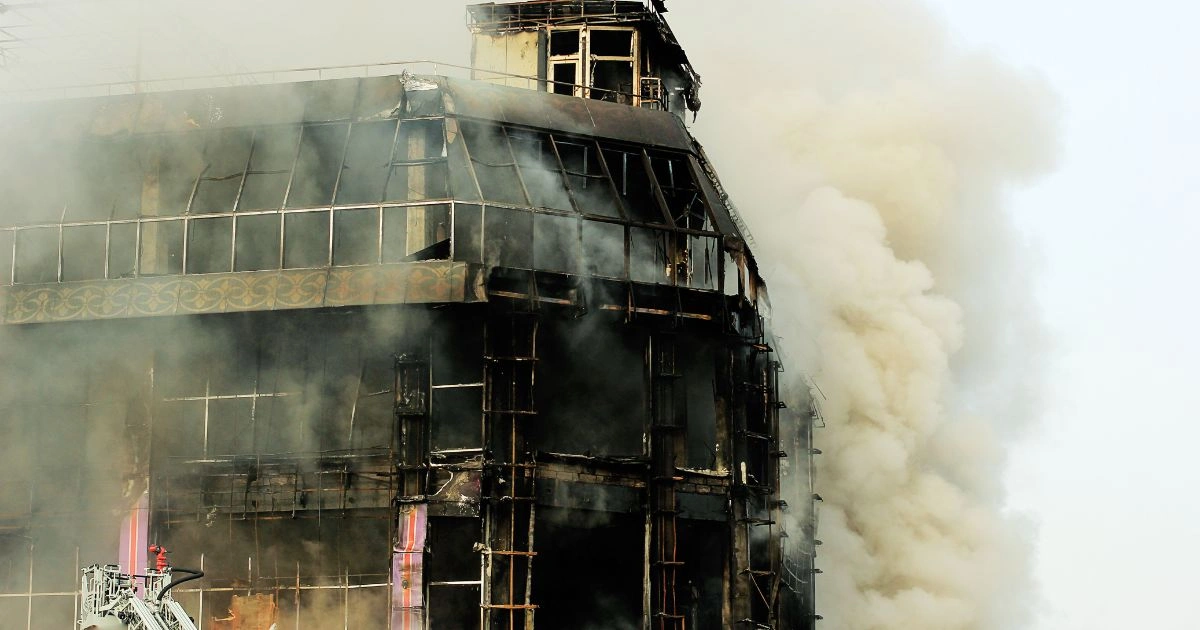
If you want a faster estimate before assessment, use fire size to get a realistic range.
Minor fire (contained to one room or a single appliance area): Total timeline is typically two to six weeks. Smoke may have spread beyond the room, but structural damage is limited. Cleanup, smoke restoration, and cosmetic repairs are the main scope.
Moderate fire (affected multiple rooms without structural compromise): Total timeline is typically six weeks to four months. This scope includes significant soot cleanup, full HVAC cleaning, water damage mitigation, and partial reconstruction of affected spaces.
Major fire (structural damage, roof involvement, or whole-home loss): Total timeline is four months to twelve months or more. This is a full rebuild involving structural engineering, permitting, complete systems replacement, and finishing from the studs out.
What Slows Down the Fire Restoration Process
Understanding what causes delays helps you avoid them.
Insurance approval delays are the single most common cause of extended timelines. Submit your claim the same day as the fire. Choose a restoration company that documents professionally and communicates directly with your adjuster.
Contractor availability affects the reconstruction phase most. In Middle Georgia, post-storm and post-disaster periods create high demand for contractors. Starting your restoration early with an established local company keeps you from losing weeks waiting for availability.
Hidden damage discovered mid-project is unavoidable but manageable. When professionals find additional damage behind walls or in framing during reconstruction, new scope items require re-approval from insurance. A detailed initial assessment reduces surprise mid-project changes but rarely eliminates them entirely.
Permitting and inspection scheduling can add weeks to reconstruction in some counties. Your contractor should pull permits immediately and have inspections scheduled before each phase is complete.
Material lead times for specialty items like custom cabinetry, specific flooring products, or custom windows can add weeks. Your project manager should identify long-lead materials early and order them before demolition is complete.
What Happens to Your Family During Restoration?
This is the question most fire restoration guides skip entirely.
If your home is uninhabitable during restoration, which it often is during Phases 1 through 4 at minimum, you will need temporary housing. Your homeowners insurance policy likely includes Additional Living Expenses (ALE) coverage. ALE pays for hotel stays, rental housing, meals, and other out-of-pocket costs caused by displacement while your home is being restored.
File your ALE claim immediately, on the same call as your property damage claim. Keep every receipt for lodging, food, and supplies during your displacement. Most policies cover ALE up to a percentage of your dwelling coverage, typically 20 to 30 percent of your total coverage limit.
Your restoration company should provide you with a realistic re-occupancy estimate at the end of Phase 2 once the full scope is clear. Do not plan to re-enter the property during active demolition, soot cleanup, or structural drying phases. The air quality during these phases requires professional respiratory protection even for brief visits.
KC Construction and Restoration: Fire Restoration in Macon, GA
KC Construction and Restoration serves homeowners and businesses across Macon, Middle Georgia, and surrounding areas with 24/7 emergency response and complete home fire restoration services.
The KC team handles every phase of fire damage cleanup and reconstruction, from emergency board-up and smoke damage restoration through full structural rebuild and finishing. The team works directly with your insurance adjuster, documents damage professionally, and provides realistic timeline estimates from day one.
Services include emergency property securing, soot and smoke cleanup, odor neutralization, structural drying, mold prevention, full fire damage repair, and complete reconstruction. KC Construction is licensed, insured, and has been serving Middle Georgia for over a decade.
Call 478-785-0444 any time, day or night. The sooner restoration begins, the shorter your fire damage cleanup timeline will be.
Key Takeaways
Fire damage restoration takes two weeks to twelve months depending on the severity of the fire, the extent of smoke spread, and how quickly insurance approvals are processed.
The fire restoration process has five distinct phases: emergency response, insurance assessment, cleanup and smoke removal, water damage mitigation, and reconstruction.
Smoke damage travels beyond the burn zone and must be treated throughout the entire home to fully eliminate odor and prevent corrosion.
Water from firefighting efforts causes a separate damage category that must be extracted and dried before reconstruction begins.
Insurance approval is the most common cause of timeline delay. Call your insurance company the same day as the fire.
Your homeowners insurance policy likely includes ALE coverage that pays for temporary housing during restoration. File this claim immediately alongside your property claim.
In Georgia’s humid climate, mold risk in water-saturated fire-damaged homes is high. Professional drying must begin within 24 to 48 hours of the property being released.
Frequently Asked Questions
How long does fire damage restoration take?
The average fire damage restoration timeline is three to five months for most homes, with a full range of two weeks for minor contained fires to twelve months for major structural fires. The timeline depends on fire severity, how far smoke spreads, how quickly insurance approvals are issued, and contractor and material availability during reconstruction.
What is the fire restoration process in order?
The fire restoration process follows five phases: emergency securing of the property, damage assessment and insurance review, fire damage cleanup with soot and smoke removal, water damage extraction and structural drying, and finally repairs and full reconstruction. The first three phases often overlap, and reconstruction cannot begin until cleanup and drying are certified complete.
How long does smoke damage restoration take?
Smoke damage restoration ranges from one to three days for a small, contained fire to two to four weeks for a whole-home fire event. Smoke and soot travel through HVAC systems and wall cavities beyond the burn zone, so treatment must cover the entire affected area, not just visibly charred rooms. Incomplete smoke treatment results in persistent odor returning after reconstruction.
How long does fire damage reconstruction take?
Reconstruction is the most variable phase. Minor repairs take three to six weeks. Moderate multi-room damage with structural repairs takes two to four months. Major structural fires affecting the whole home take six to twelve months. Permitting, contractor availability, and material lead times are the biggest variables in the reconstruction timeline.
Does homeowners insurance cover fire damage restoration?
Yes, in most cases. Standard homeowners insurance covers fire damage restoration including cleanup, smoke removal, structural repair, and reconstruction. Most policies also include Additional Living Expenses coverage to pay for temporary housing while your home is being restored. Call your insurer the same day as the fire to begin the approval process. Delays in filing can complicate your claim and your timeline.
What slows down fire damage restoration the most?
Insurance approval delays are the most common cause of extended timelines. Hidden damage discovered mid-project, contractor availability during high-demand periods, permitting timelines at local building departments, and long material lead times for specialty items also add weeks or months. Hiring an established local restoration company that communicates professionally with insurers is the most effective way to keep your fire damage restoration timeline on track.