
Quick answer: To clean smoke damage, first vacuum loose soot with a HEPA vacuum (never wipe dry soot with a rag), then use a dry chemical soot sponge on walls and ceilings before any liquid touches the surface. Follow with a mild solution of warm water and dish soap or TSP for stubborn residue, working top to bottom in small sections. Furniture needs a different approach depending on material, wood, upholstery, and leather each require their own method (details below). If odor remains after cleaning, the smoke has likely penetrated porous materials or your HVAC system and needs professional smoke damage cleanup.
If your home in Macon or Middle Georgia has just been through a fire, you’re probably standing in a room that doesn’t look or smell like it used to, wondering what’s actually salvageable. This guide walks through exactly how to clean smoke damage from walls, ceilings, and furniture, safely, in the right order, and without accidentally making the staining worse (which is easier to do than most guides admit).
We’ll also flag the point where DIY smoke damage cleanup stops being a weekend project and starts being a health or property risk, because that line matters more than most articles on this topic let on.
What Smoke Damage Actually Does to Your Home
Smoke damage isn’t just visible staining. It’s a mix of airborne particles, acidic gas residue, and soot (solid carbon particles) that settle on and bond with surfaces throughout your property, often far from where the fire actually was. The type of fire changes what you’re dealing with:
- Dry smoke (from fast, hot fires burning paper or wood) leaves powdery, easier-to-clean residue that spreads widely.
- Wet smoke (from slow, smoldering fires involving plastic or rubber) leaves thick, sticky, smeary residue that’s genuinely hard to remove without professional-grade cleaners.
- Protein residue (from kitchen/grease fires) is nearly invisible but produces an intensely strong odor that basic cleaning rarely fully resolves.
Knowing which type you’re dealing with changes your cleaning approach. Wet smoke and protein residue are the two categories where DIY methods most often fail. We cover the full breakdown of smoke types and how they form in Smoke vs. Soot Damage: Difference & Remediation Techniques if you want the deeper explanation.
Is It Safe to Clean Smoke Damage Yourself?
Before you touch a wall, run through this checklist. If you check any box below, DIY cleaning isn’t recommended. Call a professional instead:
- The fire department hasn’t officially cleared the property as structurally safe
- The smoke came from a wet/smoldering fire, plastics, or a kitchen grease fire
- Soot or smoke reached your HVAC system or ducts
- Anyone in the household has asthma, COPD, is pregnant, elderly, or is a young child
- The smell is still noticeable more than 24 to 48 hours after ventilating
- You’re dealing with more than one or two rooms
- You’re filing an insurance claim (undocumented DIY cleanup can complicate or reduce settlements)
If none of those apply, say, a small kitchen mishap or a candle-soot situation limited to one wall, the steps below are safe to attempt yourself.
What You’ll Need Before You Start
| Category | Items |
| Protective gear | N95 respirator (not a paper dust mask), safety goggles, rubber gloves, long sleeves |
| Dry-cleaning tools | HEPA-filter vacuum with hose/brush attachment, dry chemical soot sponge (a.k.a. dry-cleaning sponge) |
| Wet-cleaning supplies | Two buckets, warm water, mild dish soap or TSP (trisodium phosphate), white vinegar, microfiber cloths/soft sponges |
| For stubborn stains | Baking soda (paste + dry sprinkle), stain-blocking/odor-sealing primer (oil-based or shellac-based) |
| Setup | Drop cloths or plastic sheeting, box fans, painter’s tape |
A note on TSP: it’s effective but caustic. Wear gloves and goggles, follow the dilution ratio on the label exactly, and always test a hidden spot first. On textured or painted plaster it can strip finish as easily as it strips soot.
How to Clean Smoke Damage on Walls and Ceilings
Step 1: Ventilate and cut power to HVAC
Open windows, run fans to push air outward, and turn off your HVAC system so you don’t pull soot into the ductwork or recirculate it through the house.
Step 2: Assess before you clean
Walk the space in strong daylight. Smoke residue can look like a faint shadow rather than obvious black soot, especially on light-colored walls. Mark every affected area before you start so you don’t miss spots that will bleed through fresh paint later.
Step 3: Vacuum loose soot first, always
Using a HEPA-filter vacuum with a brush attachment, hold the nozzle roughly half an inch off the surface and work from the top down. This is the step most homeowners skip, and it’s the reason DIY cleanup often smears soot into the surface instead of removing it.
Step 4: Dry-sponge before anything wet touches the wall
Wipe the wall with a dry chemical soot sponge in single, overlapping strokes. Don’t scrub back and forth, which regrinds soot into the surface. As the sponge face gets dirty, cut or fold it to expose a clean surface. Do not wet this sponge; water deactivates it.
Step 5: Wet-clean in small sections, top to bottom
Mix warm water with a small amount of mild dish soap (or TSP for heavier residue, per label instructions). Working in roughly 2-foot sections:
- Apply the solution with a soft, well-wrung sponge
- Wipe gently. Don’t scrub
- Rinse the section with a clean, damp cloth immediately
- Dry with a towel before moving to the next section
Ceilings should be cleaned last, since debris and drips will fall onto the walls below.
Step 6: Treat remaining stains
For yellowing or residue that survives wet-cleaning, apply a baking soda paste (baking soda + a little water), let it sit for 10 to 15 minutes, then wipe and rinse. For grease-based residue from kitchen fires, a light TSP pass usually clears what soap alone won’t.
Step 7: Seal before repainting
If staining is still visible after cleaning and drying, don’t just repaint over it. Smoke stains and odor molecules will bleed straight through standard paint within weeks. Apply an oil-based or shellac-based stain-blocking primer first, then repaint with your finish coat.
How to Clean Smoke-Damaged Furniture (By Material)
This is the part most guides skip, and it’s exactly where secondary damage tends to happen, because different materials need genuinely different treatment.
Solid wood furniture
- Vacuum loose soot with a soft brush attachment first
- Wipe with a barely damp microfiber cloth using a warm water + mild dish soap mix. Never soak wood.
- For grime that survives, a small amount of wood-safe degreaser or diluted vinegar solution, applied to the cloth (not the wood), works well.
- Dry immediately and thoroughly. Residual moisture on smoke-etched wood can trap odor into the grain.
- Refinish or re-oil once fully dry if the original finish looks dulled.
Upholstered furniture and fabric
- Vacuum thoroughly with an upholstery attachment. This removes the bulk of embedded soot before any liquid is involved.
- Spot-test a hidden area with a mild detergent/water solution and dab (don’t rub, which spreads staining) at visible marks
- Sprinkle baking soda over the entire piece, let sit for 12 to 24 hours, then vacuum again for odor.
- Heavily soaked or deeply embedded upholstery (especially from wet smoke) is genuinely difficult to fully clean at home. Steam cleaning or professional fabric restoration is often the only method that removes trapped odor completely.
Leather furniture
- Wipe with a dry soft cloth first to lift loose soot.
- Use a leather-specific cleaner (never household soap, which strips leather’s natural oils) with a soft cloth.
- Condition the leather afterward. Smoke residue and cleaning both dry out leather over time and can cause cracking if skipped.
Electronics
- Do not power anything on until it’s been checked. Soot is conductive and acidic, and it can cause a short or continue corroding internal components after the fire.
- Unplug everything, and have electronics professionally cleaned or inspected before use.
Mattresses and soft bedding
- Vacuum both sides thoroughly
- Baking soda treatment (as above) can neutralize light odor.
- If the mattress absorbs heavy smoke, replacement is usually more practical than restoration. Porous foam and fill material hold odor indefinitely.
How to Remove Smoke Smell After a Fire
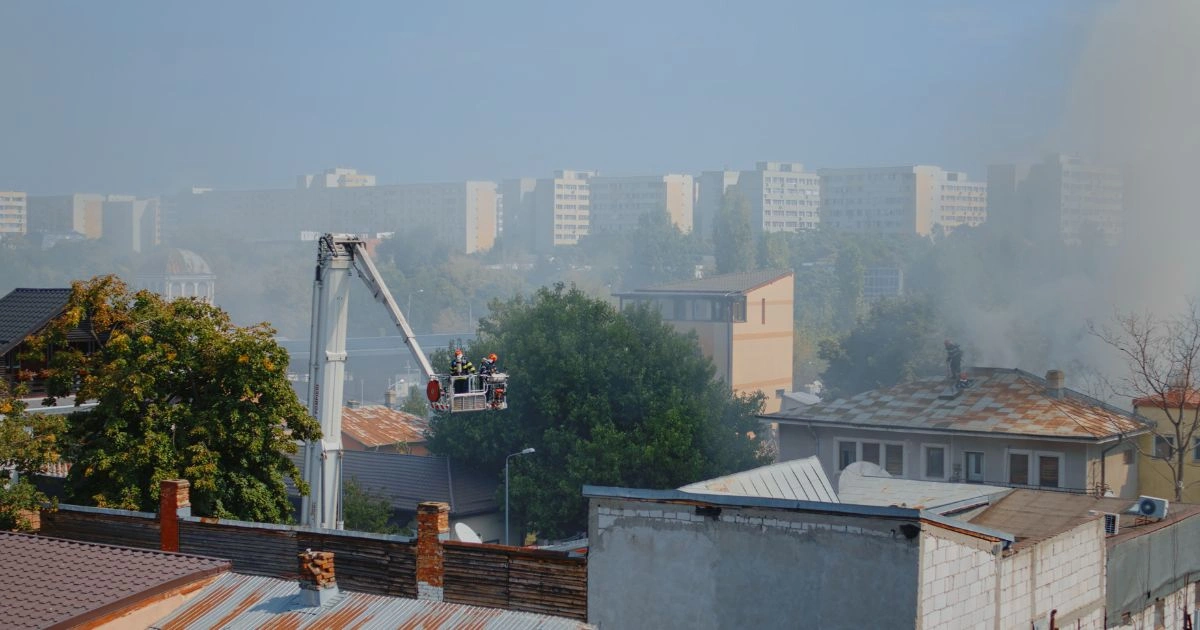
Cleaning visible residue and removing the smell are two different jobs. You can fully clean a wall and still have a house that smells like smoke, because odor molecules travel into places you can’t scrub: wall cavities, insulation, carpet padding, and HVAC ductwork.
What actually works:
- Full ventilation for several days minimum, not just a few open windows for an afternoon
- Baking soda in open bowls throughout affected rooms, and sprinkled/vacuumed on carpets and upholstery
- HVAC filter replacement and duct cleaning. Running a system with soot-contaminated ducts will keep reintroducing the smell after every cleaning session
- Activated charcoal placed in closed spaces (closets, drawers) to absorb residual odor
- Sealing primer on walls and ceilings once cleaned, which locks in odor-causing particles that cleaning alone can’t fully lift
What doesn’t work (long-term): air fresheners, scented candles, and fabric sprays only mask odor temporarily. If the smell returns within a day or two of using one of these, the source hasn’t actually been removed.
If the smell persists after a genuine, thorough cleaning pass, carpets, upholstery, walls, and HVAC included, that’s a strong signal the smoke reached porous materials or ductwork that DIY methods can’t fully treat, and it’s time for professional odor remediation (thermal fogging, ozone, or hydroxyl treatment).
Common Mistakes That Make Smoke Damage Worse
- Wiping dry soot with a regular rag or paper towel. This grinds particles deeper into the surface instead of lifting them. Vacuum and dry-sponge first, always.
- Scrubbing hard instead of wiping gently. Soot is abrasive; aggressive scrubbing spreads stains and can damage paint or finish.
- Skipping the ventilation/HVAC shutoff step. Running your HVAC during cleanup redistributes soot throughout the house and into the system itself.
- Painting over stains without a sealing primer. Smoke stains bleed through standard paint almost every time.
- Using bleach on smoke residue. Bleach doesn’t neutralize soot’s oily/acidic compounds and can react unpredictably with smoke residue, sometimes setting odor in rather than removing it.
- Cleaning before documenting for insurance. Photograph every affected room and item before you start. Cleanup often complicates or lowers claim settlements if there’s no “before” evidence.
How Long Does Smoke Damage Cleanup Take, and What Does It Cost?
For a single room with light smoke exposure (a contained kitchen incident, for example), DIY cleanup typically takes a full day to a weekend, and homeowners generally spend $50 to $150 on supplies (soot sponges, TSP, primer, PPE).
For anything involving multiple rooms, wet smoke, protein residue, or HVAC contamination, professional smoke damage cleanup is usually the faster and more cost-effective path. DIY attempts on this scale often take over a week of evenings/weekends and still leave odor or staining that has to be redone professionally anyway, effectively doubling the cost.
When to Call a Professional Smoke Damage Cleaning Company
Call a licensed restoration company if:
- Smoke or soot reached more than one or two rooms.
- The fire involved plastics, rubber, or was a slow/smoldering (wet smoke) fire.
- Your HVAC system was running during or after the fire.
- Odor persists after a full, genuine DIY cleaning pass.
- You’re filing an insurance claim and need documented, professional-grade remediation.
- Anyone in the home is in a health-vulnerable group.
Professional smoke damage cleanup isn’t just a deeper version of what’s above. It uses industrial HEPA air scrubbing, thermal fogging or hydroxyl odor treatment, and HVAC decontamination that isn’t achievable with consumer tools, because smoke residue that’s had time to set becomes acidic and etches into surfaces the longer it’s left untreated.
If you’re in Macon or Middle Georgia and dealing with smoke damage right now, KC Construction & Restoration offers 24/7 emergency response for fire and smoke damage cleanup, with certified technicians and equipment DIY methods can’t match. Contact us for a fast assessment before the residue has a chance to set permanently.
FAQ
Can smoke damage be completely removed from walls?
Yes, in most cases, if it’s addressed promptly. Light-to-moderate smoke residue on walls and ceilings can usually be fully removed with vacuuming, dry-sponging, and a mild cleaning solution. Heavy staining from wet smoke or fires left untreated for more than a couple of days may require a sealing primer and repaint to fully restore the surface, since smoke’s acidic compounds etch in over time.
How do you get smoke residue off walls without smearing it?
Always remove loose soot with a HEPA vacuum first, then use a dry chemical soot sponge before introducing any water or cleaning solution. Wiping smoke residue with a wet rag before dry-cleaning it is the single most common cause of smearing and permanent staining.
Does vinegar remove smoke smell?
White vinegar helps neutralize some smoke odor and works reasonably well as a wall-cleaning agent, but it doesn’t reach odor trapped in porous materials like carpet padding, insulation, or ductwork. For a lingering smell, pair vinegar cleaning with baking soda treatment and full ventilation, and consider professional odor treatment if the smell returns.
How long does it take for the smoke smell to go away?
With thorough cleaning and ventilation, mild smoke odor from a small, contained incident typically clears within a few days to a week. Odor from a larger fire, wet smoke, or smoke that reached HVAC ductwork can linger for weeks or months without professional deodorization, because the source particles are still embedded in materials that everyday cleaning doesn’t reach.
Is it safe to clean smoke damage myself?
For light, contained smoke damage, a small kitchen incident affecting one wall, for example, DIY cleaning with proper PPE (N95 mask, gloves, goggles) is generally safe. For fires involving plastics, larger areas, HVAC contamination, or households with health-vulnerable members, professional cleanup is strongly recommended due to the acidic and sometimes toxic compounds in soot and smoke residue.
What should I not use to clean smoke damage?
Avoid bleach (it doesn’t break down soot’s oily residue and can react unpredictably), avoid wiping dry soot with regular cloths or paper towels (this grinds it in), and avoid painting over smoke stains without a stain-blocking primer first, since the discoloration and odor will bleed through.
One Response