
Water damage restoration is the process of cleaning, drying, and repairing your home after water intrusion. Think of it like emergency surgery for your house—the faster you act, the better the outcome.
Here’s a shocking fact: Water damage affects 14,000 Americans every day, according to the Insurance Information Institute. Even worse, 37% of homeowners have suffered losses from water damage. That’s more than fire and theft combined!
Water damage doesn’t just ruin your belongings. It creates the perfect breeding ground for mold, which can grow in just 24-48 hours. This puts your family’s health at risk and can cost thousands in repairs.
How Fast Should You Act During Water Damage?
Within the first 24 hours. Time is your biggest enemy when dealing with water damage. Every minute counts because:
- 0-24 hours: Water spreads and soaks into materials
- 24-48 hours: Mold and bacteria start growing
- 48+ hours: Serious mold growth and structural damage begin
The longer you wait, the more expensive water damage restoration becomes. What starts as a $1,000 problem can quickly turn into $10,000 or more.
Top 5 Water Damage Restoration Tips Every Homeowner Should Know
1. What Should You Do First? Stop the Water Source
Your first priority is stopping more water from entering your home. This might mean:
- Turning off the main water supply
- Fixing a burst pipe temporarily
- Covering roof leaks with tarps
- Shutting off electricity to affected areas
Safety tip: Never enter standing water if electricity is present. Call professionals immediately.
2. How Do You Document the Damage Properly?
Take photos and videos of everything before you start cleaning. This documentation helps with:
- Insurance claims
- Professional assessments
- Tracking restoration progress
Photograph damaged items, water levels, and affected areas from multiple angles. Your insurance company will thank you later.
3. Why Is Removing Standing Water Critical?
Standing water causes more damage every hour it sits. Here’s how to remove it safely:
- Use pumps for large amounts
- Employ wet vacuums for smaller areas
- Remove soaked carpets and padding
- Pull up damaged flooring
Pro tip: Rent professional-grade equipment if needed. It’s cheaper than replacing everything later.
4. What’s the Best Way to Dry Everything Out?
Proper drying prevents mold growth and saves your belongings. Follow this process:
- Open windows and doors for air circulation
- Use fans to move air around
- Run dehumidifiers to remove moisture
- Monitor humidity levels (should be below 50%)
This step typically takes 3-5 days, depending on the extent of damage.
5. How Do You Prevent Mold Growth During Water Damage Restoration?
Mold prevention is crucial for your family’s health. Take these steps:
- Clean all surfaces with antimicrobial solutions
- Remove porous materials that can’t be dried (drywall, insulation)
- Keep humidity low with dehumidifiers
- Ensure proper ventilation throughout the process
Warning sign: If you smell musty odors, mold may already be growing. Call professionals immediately.
When Should You Call Professional Water Damage Restoration Services?
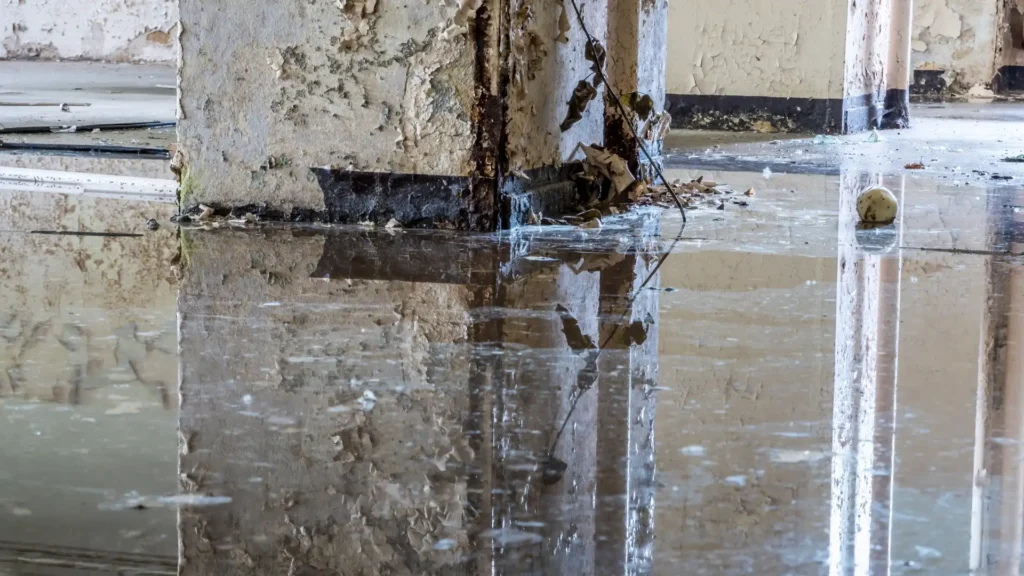
Consider professional help when:
- Water covers more than 10 square feet
- Sewage or contaminated water is involved
- Electrical systems are affected
- Structural damage is visible
- You detect mold growth
Professional water damage restoration companies have specialized equipment and expertise that most homeowners lack.
What Are the Hidden Costs of Delaying Water Damage Restoration?
Waiting too long can lead to:
- Mold remediation: $500-$6,000 additional cost
- Structural repairs: $1,000-$15,000 or more
- Health issues: Medical bills and lost work time
- Insurance complications: Delayed claims may be denied
Quick action during water damage restoration saves money and protects your family’s health.
How Can You Prevent Future Water Damage?
Prevention is always better than restoration. Take these steps:
- Inspect plumbing regularly
- Clean gutters and downspouts
- Install water leak detectors
- Maintain your roof and siding
- Know where your main water shutoff is located
Regular maintenance costs far less than emergency water damage restoration.
Take Action Now to Protect Your Home
Water damage restoration success depends on quick, decisive action. Remember these key points:
- Act within 24 hours to minimize damage
- Document everything for insurance purposes
- Remove standing water immediately
- Dry thoroughly to prevent mold
- Don’t hesitate to call professionals for extensive damage
Your home is likely your biggest investment. Protecting it with proper water damage restoration techniques saves money and keeps your family safe. When in doubt, consult with certified restoration professionals who can guide you.
Remember: The cost of prevention and quick action is always less than that of extensive repairs and health problems later.
Water damage can quickly become a major problem if not handled promptly. Acting fast, drying everything properly, and preventing mold are the keys to protecting your home. But it’s always better to trust the experts when the damage overwhelms. Choose KC Constructions for reliable water damage restoration because your home deserves the best care and quick recovery.
Frequently Asked Questions
How long does water damage restoration take?
Most water damage restoration projects take 3-7 days for drying and additional repair time. Extensive damage may take weeks.
Will my insurance cover water damage restoration?
It depends on the cause. Sudden pipe bursts are usually covered, but gradual leaks or floods may not be. Check your policy details.
Can I do water damage restoration myself?
Homeowners can often handle small areas (under 10 square feet). Larger areas or contaminated water require professional help.
What equipment do I need for DIY water damage restoration?
Basic equipment includes wet vacuums, fans, dehumidifiers, and cleaning supplies. For better results, rent professional-grade equipment.
How do I know if mold is growing after water damage?
Look for visible growth, musty smells, or health symptoms like coughing and sneezing. Professional mold testing may be necessary.