
Quick Ans: When a water pipe burst occurs, immediately turn off your main water shutoff valve and drain residual pressure by opening all faucets. Next, switch off electricity to affected rooms, take timestamped photos for insurance, and call emergency water damage restoration professionals right away to extract standing water and prevent mold growth.
A burst water pipe does not give you time to think. Water pours out under pressure, saturates floors and walls within minutes, and puts your home at risk for mold growth in as little as 24 hours. The average water damage insurance claim costs $13,954, but how fast you act in the first hour determines whether your damage stays manageable or becomes a full-scale restoration project.
Burst Pipe Flooded Your House? What to Do Right Now
If a burst water pipe has flooded your home, follow these priority action steps immediately to minimize secondary structural destruction:
- Shut Off Main Water: Locate your main shutoff valve (basement, garage, or meter box) and turn it off completely.
- Shut Off Electricity: Switch off circuit breakers serving flooded rooms before stepping into standing water.
- Document the Damage: Take timestamped photos and videos of affected rooms, water lines on walls, and ruined possessions before moving items.
- Call Emergency Restoration & Plumbing Services: A burst pipe emergency needs both a plumber and a restoration team. The plumber fixes the broken pipe while the restoration team extracts water and prevents mold.
- Start Safe Water Removal: Use towels, mops, or a wet/dry shop vacuum to clear standing water from hard surfaces if safe to do so.
How to Know If a Pipe Burst
Not all pipe bursts present as an instant flood; some occur behind drywall or under subfloors. Watch for these common signs:
- Sudden Drop in Water Pressure: A drastic decline in water flow from faucets often indicates water escaping elsewhere in the plumbing system.
- Unexplained Sound of Running Water: Hearing dripping, rushing, or hissing sounds behind walls when no fixtures are running.
- Water Stains or Bulging Drywall: Discolored, soft, or sagging patches on ceilings and interior walls.
- Musty Odors or Unexplained Spikes in Utility Bills: A sudden increase in your monthly water bill or damp, earthy smells near cabinets and floorboards.
What Causes a Pipe to Burst?
Plumbing pipes fail due to several internal and external physical pressures:
- Freezing Temperatures: Water expands as it freezes, creating immense pressure against pipe walls until the line fractures.
- High Water Pressure: Municipal pressure spikes or faulty pressure-reducing valves can stress older plumbing joints.
- Corrosion & Age: Galvanized steel or copper pipes degrade over time, thinning pipe walls until failure occurs.
- Tree Root Intrusion & Ground Movement: Shifts in soil or invading roots can rupture underground lines.
Outdoor Water Lines
A burst water pipe outside house structures such as buried supply lines, garden spigots, or exterior hose bibbs often goes unnoticed until severe foundation damage or outdoor flooding occurs. Insulating outdoor spigots and disconnecting garden hoses before winter reduces this risk.
Pipe Burst in Apartment
A pipe burst in apartment units creates complex liability and secondary damage issues because water quickly migrates through ceilings to lower floors. Tenants should immediately notify the landlord or property management, document all personal property damage with photos, and file a claim through their renters insurance policy.
Why Speed Is Everything After a Water Pipe Burst
Most homeowners underestimate how fast water damage spreads. In the first hour, water saturates carpets, soaks into drywall, and seeps under flooring. By hour two, water reaches structural framing and insulation.
After 24 to 48 hours, mold begins to grow on wet porous materials. Once mold takes hold, the restoration scope changes entirely. A cleanup project that costs $1,500 when addressed immediately can climb to $6,000 or more once mold remediation enters the picture.
Burst Pipe Water Cleanup and Water Removal: What the Process Looks Like
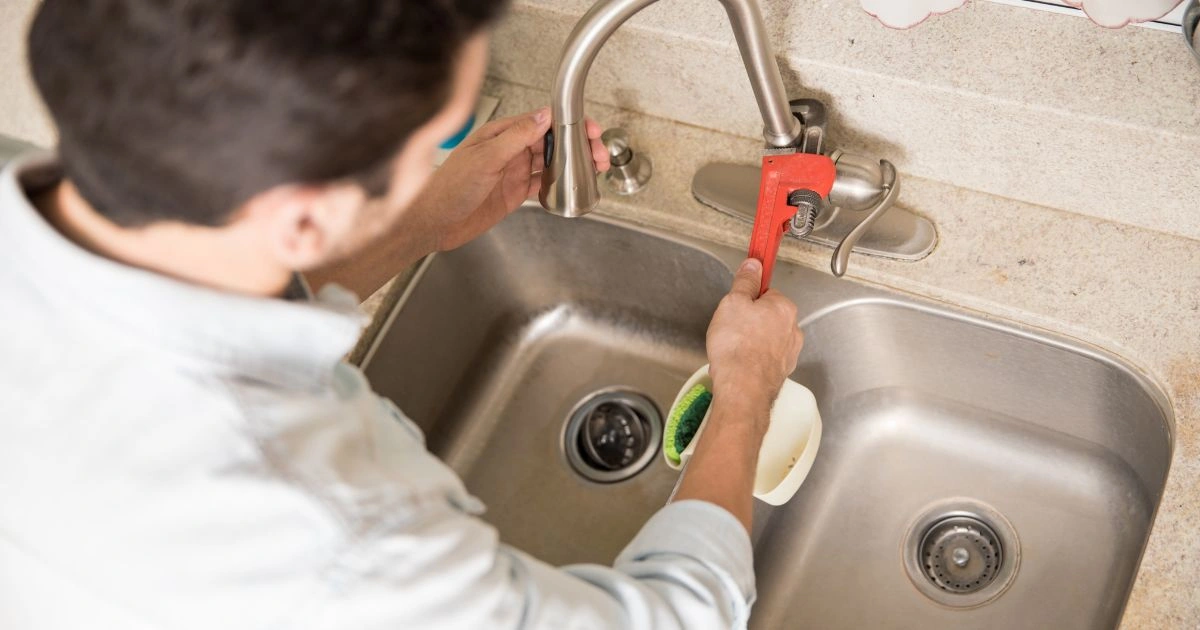
Professional burst pipe water cleanup relies on specialized commercial equipment to extract trapped moisture:
- Commercial Water Extraction: Heavy-duty truck-mounted vacuum units quickly remove hundreds of gallons of standing water from flooring and carpets.
- Structural Dehumidification: Industrial LGR dehumidifiers pull deep moisture from drywall cavities, subfloors, and framing.
- High-Velocity Air Movers: Strategic air movers accelerate evaporation without blowing contaminated air into clean spaces.
- Moisture Mapping: Thermal imaging cameras and pinless moisture meters ensure hidden water pockets behind walls are completely dried before repairs begin.
Burst Pipe Water Damage Repair: What Gets Fixed and in What Order
Rebuilding a home after a water pipe burst follows a strict, step-by-step restoration timeline:
- Plumbing System Repair: Replacing or soldering damaged pipe sections and verifying system pressure. For plumbing-related assistance, see broken water pipe and plumbing services.
- Demolition of Unsalvageable Materials: Removing saturated drywall, blown-in insulation, and ruined carpet padding.
- Antimicrobial Treatment: Sanitizing exposed framing to prevent mold and bacterial growth.
- Structural Reconstruction: Installing new drywall, mudding, sanding, replacing flooring, and hanging trim.
- Final Finishing: Painting walls, reinstalling fixtures, and cleaning the restored space.
How to Handle Your Insurance Claim
Most standard homeowners insurance policies cover burst pipe water damage when the cause is sudden and accidental. Gradual leaks, long-term neglect, and flooding from external water sources are typically excluded.
Here is how to give your claim the best chance of a smooth payout.
Call your insurance company the same day you discover the damage. Give them a brief description of what happened and tell them you are documenting and taking emergency mitigation steps.
Provide your timestamped photos and videos before cleanup. This is the evidence your adjuster needs to verify the scope of damage. Save every receipt for emergency expenses, including temporary hotel stays, emergency plumbing calls, and restoration services.
Do not make permanent repairs before your adjuster sees the damage. Temporary fixes like tarps, boards, or basic patching are fine and actually required. Full replacement should wait until the claim is reviewed.
Work with your restoration company to provide the adjuster with a detailed scope-of-work document. A professional restoration team documents affected areas with moisture readings and equipment logs, which strengthens your claim and speeds up the approval process.
How to Prevent Burst Pipes in the Future
A pipe burst once. That means at least one vulnerability existed in your plumbing system. Here is how to reduce the risk of it happening again.
Know where your main water shutoff valve is right now. Every adult in your household should be able to find and operate it in under two minutes without searching.
Insulate pipes in unheated spaces. In Middle Georgia, winter freeze events are less common than in northern states, but they do occur. Pipes in crawl spaces, exterior walls, garages, and attics are most vulnerable during a hard freeze. Foam pipe insulation is inexpensive and quick to install.
Never let your home drop below 55 degrees Fahrenheit in winter, even when you travel. Keep cabinet doors open under sinks along exterior walls during a freeze to allow warm air to circulate through the pipes.
Have your plumbing inspected if your home is more than 20 years old. Corroding iron or steel pipes, outdated galvanized supply lines, and weakening joint connections are common in older Georgia homes and are a leading cause of broken pipe water damage.
Consider a water leak detector. Smart leak sensors installed near water lines, under sinks, or beside appliances send an alert to your phone the moment water is detected. Some models can automatically shut off the water supply when a leak is confirmed.
KC Construction Services Inc: 24/7 Emergency Response in Macon, GA
When a pipe bursts, the clock is working against you. KC Construction Services Inc provides emergency water damage cleanup, extraction, and full pipe burst restoration services for homeowners and businesses across Macon, Middle Georgia, and the surrounding area.
The KC team responds 24 hours a day, 7 days a week. They use commercial-grade extraction equipment, infrared moisture detection, and industrial drying systems to stop damage fast and get your property dry before mold has time to form.
Services include emergency water extraction, structural drying, broken pipe repair, mold inspection, crawl space cleaning, and complete water damage restoration from start to finish. The team works directly with homeowners and insurance adjusters to document damage and support your claim.
Call KC Construction Services Inc now at 478-785-0444. The sooner you call, the more of your home we can save.
Key Takeaways
Shut off the main water supply the moment you discover a burst pipe. Every second of delay adds to the scope of damage.
Mold begins growing in wet materials within 24 to 48 hours. Responding fast is the only way to stay inside the safe drying window.
Document everything with timestamped photos and video before you start any cleanup. Your insurance claim depends on this evidence.
Do not handle contaminated water without protective gear. If the water has a smell or dark color, call a professional first.
Emergency water damage cleanup by a certified restoration team is the most effective way to stop hidden damage that consumer equipment cannot reach.
The average water damage claim costs $13,954. Fast professional response is the best investment you can make in the first hour after a burst pipe.
Frequently Asked Questions
How do I clean up water after a burst pipe?
First, shut off the main water valve and turn off electricity to flooded areas. Soak up surface water using towels, mops, or a wet/dry shop vacuum. Call a certified water restoration team immediately to handle deep structural drying with commercial dehumidifiers and air scrubbers.
What should I do if a pipe bursts in my house?
Shut off your main water line instantly, turn off electricity to affected zones, take photos/videos for insurance, and contact an emergency plumber and water damage restoration company.
Does PEX pipe burst when it freezes?
PEX piping is flexible and expands during freezing, making it significantly more resistant to bursting than rigid copper or PVC pipe. However, extreme freezing temperatures can still rupture PEX fittings and connection joints.
What should I do if a pipe bursts in my apartment?
Inform property management or your landlord immediately, turn off the water supply if accessible, take clear photos of ruined belongings, and contact your renters insurance provider to start a personal property claim.
How do I file an insurance claim for a burst pipe?
Contact your insurance provider right away, submit clear timestamped photos of the damage before cleanup, keep detailed receipts for emergency services or hotel stays, and provide your adjuster with the drying logs prepared by your restoration team.
How long does burst pipe water cleanup take?
The initial water removal and extraction phase takes 24 to 48 hours, while full structural drying and dehumidification usually take 3 to 5 days. Complete reconstruction and repair timelines vary based on the extent of structural damage.
One Response