
Quick answer: You may have water damage to your subfloor if your floor feels soft or spongy, becomes uneven or sagging, develops new squeaks, starts buckling or separating, or develops a persistent musty odor after a leak or flood. Other warning signs include cracked tile or grout, swollen flooring, recurring dampness, and moisture readings that remain elevated after surface water has been removed.
Because the subfloor sits underneath your finished flooring, hidden water damage under flooring can continue even when the surface appears dry. A professional moisture inspection can help determine whether water has reached the subfloor, underlayment, floor joists, or other structural materials.
If your home has recently experienced a plumbing leak, appliance leak, flooding, or another water intrusion, identifying the problem early can help prevent more extensive floor and structural damage. K.C. Construction & Restoration provides water damage restoration and mitigation services to help address moisture problems and restore affected properties.
What Is a Subfloor?
A subfloor is the structural layer underneath your finished flooring. Depending on the construction of your home, it may be made from plywood, oriented strand board (OSB), or another structural panel.
Your flooring system may include several layers:
Finished flooring → underlayment → subfloor → floor joists
The finished flooring is what you see and walk on. The subfloor underneath provides a stable base and helps distribute loads across the floor joists.
When water reaches the subfloor, it can absorb moisture, swell, weaken, delaminate, develop mold or rot, and lose some of its structural integrity.
The important point is that water damage does not have to be visible to be serious.
A floor can look reasonably normal while moisture remains trapped underneath.
How Does Water Reach the Subfloor?
Water damage subfloor issues don’t always require a major flood; even minor plumbing leaks can gradually saturate the underlayment over time.
Common causes include:
- Burst or leaking water pipes
- Dishwasher leaks
- Washing machine leaks
- Refrigerator supply-line leaks
- Toilet leaks or overflows
- Bathtub and shower leaks
- Sink plumbing leaks
- Water heater leaks
- Roof leaks that travel into the floor system
- Storm or flood water
- Basement or crawl space moisture
- Sewage backups
- Poor drainage around the property
A slow leak can sometimes be more difficult to notice than a major flood because there may be no large amount of standing water.
For example, a small plumbing leak underneath a sink or behind an appliance can continue soaking nearby flooring and subfloor materials without immediately producing an obvious puddle. If a leaking or broken pipe is responsible, broken water pipe and plumbing services can help address the source of the water intrusion.
8 Signs Water Damage Has Reached Your Subfloor
Knowing the signs of water damage to your subfloor can help you determine when a flooring problem may actually be a deeper moisture problem.
1. The Floor Feels Soft, Spongy, or Springy
One of the most important warning signs is a change in how the floor feels when you walk across it.
A healthy floor should feel relatively firm and stable. If one section suddenly feels:
- Soft
- Spongy
- Springy
- Weak
- Unusually flexible
- Lower than surrounding areas
Water may have affected the subfloor beneath it.
A soft area does not automatically prove that the subfloor is damaged, but it is a reason to investigate further, particularly if the change occurred after a leak or flood.
If the floor feels unstable or appears to be sagging, avoid repeatedly walking on the area until it can be evaluated.
2. Your Floor Becomes Uneven, Warped, or Sagging
Water can cause wood-based materials to swell and change shape.
You may notice:
- Uneven flooring
- A dip in the floor
- Raised sections
- Buckling
- Warped boards
- Cupping
- Crowning
- Flooring that no longer sits flat
The visible flooring may be showing you what is happening underneath.
However, warped flooring does not always mean the subfloor itself is damaged. The finished flooring, underlayment, adhesive, or subfloor could be responsible.
That is why the source and depth of the moisture need to be determined before deciding what needs to be replaced.
3. You Notice New Squeaking, Popping, or Movement
A floor that suddenly begins making noises after water exposure deserves attention.
You may hear:
- Squeaking
- Popping
- Creaking
- Clicking
- Movement when walking
Moisture can cause wood materials to swell and shrink. This can change how flooring components fit together or how fasteners interact with the subfloor and joists.
A squeaky floor does not necessarily mean water damage. Homes can develop squeaks for many reasons. But if the noise appeared shortly after a leak, flooding, or plumbing problem, it is worth investigating.
4. You Smell a Persistent Musty or Damp Odor
Your nose can sometimes detect hidden moisture before your eyes can.
A persistent musty, earthy, or damp smell around a floor can indicate that moisture remains trapped beneath flooring or inside another concealed area.
Pay particular attention when:
- The smell started after a leak
- The odor returns after cleaning
- One section of the room smells different
- The smell becomes stronger near baseboards
- The room appears dry but still smells damp
A musty smell does not automatically prove that mold is present. It does, however, provide a reason to investigate the source of moisture.
For additional guidance, read Why Does My House Smell Musty Even After Cleaning? to understand how hidden moisture beneath floors and in other concealed areas can contribute to persistent odors.
K.C. Construction & Restoration also addresses hidden moisture and mold-related problems when water intrusion has affected concealed areas of a property.
5. Flooring Starts Separating, Buckling, or Swelling
Different flooring materials react differently when exposed to water.
Hardwood:
May cup, crown, warp, gap, or buckle.
Laminate:
May swell, bubble, separate at seams, or lift.
Vinyl:
May bubble, loosen, or separate depending on the product and installation.
Carpet:
May remain damp underneath even after the surface feels relatively dry.
Tile:
May develop cracked grout, loose tiles, or other signs of movement beneath the surface.
These symptoms indicate that moisture may have reached one or more layers underneath the finished floor.
The next question is whether the moisture stopped at the flooring or continued into the underlayment and subfloor.
6. Tile or Grout Begins Cracking or Coming Loose
Tile can sometimes hide a moisture problem because the tile itself may not absorb water in the same way that wood-based materials do.
Look for:
- Cracked grout
- Separating grout lines
- Loose tiles
- Tiles that move when stepped on
- New cracks appearing after water exposure
- Hollow-sounding areas
These signs can have causes unrelated to water damage, including movement of the building or installation problems.
But when they appear together with a recent leak or flooding event, the underlying floor system should be checked.
7. Moisture Keeps Returning After the Surface Looks Dry
This is one of the most important signs of hidden water damage under flooring.
You may remove visible water and dry the room, but moisture can remain beneath flooring, under cabinets, inside seams, or within the subfloor.
You may notice:
- Repeated dampness
- A musty odor that returns
- Flooring that remains cool or damp
- Moisture readings that remain elevated
- Stains that reappear
- Flooring that continues changing shape
If moisture keeps returning, the issue may not simply be incomplete drying.
There could still be an active leak, moisture coming from below, or water trapped in a concealed part of the floor system.
8. The Problem Is Near a Known Water Source
Location can provide an important clue.
Pay special attention to flooring near:
- Toilets
- Showers and bathtubs
- Sinks
- Dishwashers
- Washing machines
- Water heaters
- Refrigerators
- Exterior doors
- Windows
- HVAC equipment
- Crawl spaces
- Basement areas
If a floor problem appears directly beside or below a known water source, the possibility of water damage should be investigated.
How Can You Tell If the Subfloor Is Actually Damaged?
The biggest challenge for homeowners is that you cannot always determine subfloor damage by looking at the finished flooring.
A damaged floor surface does not necessarily mean the subfloor is damaged.
Likewise, a normal-looking floor does not necessarily mean the subfloor is dry.
A professional assessment may look for:
Moisture
Moisture meters can help identify areas with elevated moisture compared with unaffected materials.
Structural condition
If the subfloor has become soft, swollen, delaminated, crumbling, or otherwise unstable, drying alone may not restore its original condition.
Odor and visible deterioration
Persistent odor, discoloration, mold growth, or deterioration can indicate that moisture has remained present for too long.
Moisture below the floor
In some homes, the underside of the subfloor may be accessible from a crawl space or basement. Inspection from below can sometimes provide useful information without immediately removing finished flooring.
Floor joists
If water has penetrated deeply enough, the floor joists and other structural components may also require inspection.
This is why determining how to tell if a subfloor is damaged is more complicated than simply pressing on the floor or looking for a stain.
Can Water Damage Hide Under Flooring?
Yes.
Water can move through seams, edges, gaps, transitions, and openings around fixtures.
It can also travel farther than the location where the leak originally occurred.
For example, water from a leaking dishwasher may travel beneath cabinets and flooring before becoming visible somewhere else. Likewise, water from a bathroom leak may travel through the floor system before producing a noticeable problem.
This is why the visible location of the damage may not always be the source of the water.
A dry-looking floor does not automatically mean the subfloor is dry.
How to Check for Water Damage Under Flooring
If you suspect a wet subfloor, start with a safe visual and sensory inspection.
Step 1: Identify the water source
Think about what happened immediately before the flooring changed.
Was there:
- A plumbing leak?
- An appliance leak?
- A flood?
- A toilet overflow?
- A roof leak?
- A washing machine problem?
- A dishwasher leak?
Knowing the likely source helps determine where water may have traveled.
Step 2: Look for changes in the flooring
Check for:
- Buckling
- Warping
- Swelling
- Discoloration
- Cracked grout
- Loose tiles
- Gaps
- Soft spots
Step 3: Check for odor
A persistent musty odor can indicate that moisture remains somewhere nearby.
Step 4: Check nearby baseboards
Look for swelling, discoloration, separation, or other changes along the bottom of walls.
Step 5: Consider what is below the floor
If your home has an accessible crawl space or basement, the underside of the floor may provide additional clues.
Look for:
- Damp insulation
- Water stains
- Wet wood
- Mold growth
- Standing water
- Discoloration
Do not enter an unsafe crawl space or area containing standing water, electrical hazards, sewage, or structural concerns. If moisture beneath the house is suspected, professional crawl space cleaning and inspection services can help identify moisture-related issues in accessible areas.
Step 6: Get moisture levels checked
Professional technicians use thermal imaging and moisture meters to accurately assess water damage in subfloor areas without tearing up intact flooring unnecessarily.
K.C. Construction & Restoration uses moisture detection as part of its water damage assessment process to help identify affected areas before restoration work begins. Learn more about water damage restoration and mitigation services.
Can a Water-Damaged Subfloor Be Dried or Does It Need to Be Replaced?
Not every wet subfloor needs immediate replacement.
The appropriate solution depends on several factors, including:
- Type of subfloor material
- Amount of water absorbed
- How long the material remained wet
- Whether the water was clean or contaminated
- Whether the material has swollen
- Whether the material has delaminated
- Whether mold or rot is present
- Whether the subfloor remains structurally sound
A subfloor may sometimes be salvageable when:
- The water exposure was limited
- The water was relatively clean
- Drying began quickly
- The material remains structurally sound
- There is no significant swelling or delamination
- Moisture can be successfully removed
Replacement may be necessary when:
- The subfloor is severely swollen
- It has become soft or unstable
- The material is crumbling
- Delamination is present
- Rot has developed
- Significant mold contamination is present
- Contaminated water has penetrated the material
- Structural strength has been compromised
The goal should not be to replace every wet material automatically.
The goal is to determine what can be safely dried and restored and what has been permanently damaged.
What Happens During Subfloor Water Damage Repair?
When water has reached the subfloor, proper restoration generally involves more than simply placing fans in the room.
A professional restoration process may include:
1. Water source identification
The first step is determining where the water came from and stopping the source.
2. Moisture inspection
Affected flooring, walls, baseboards, and accessible structural materials are evaluated to determine how far the water traveled.
3. Water extraction
Standing water is removed as quickly and safely as possible.
4. Structural drying
Air movers and dehumidification equipment are used to remove moisture from affected materials and the surrounding environment.
5. Moisture monitoring
Drying should be monitored rather than judged only by how the floor feels.
Moisture readings can help determine whether affected materials are actually becoming drier.
6. Damaged material removal
Materials that cannot be effectively dried or restored may need to be removed.
7. Cleaning and sanitization
Depending on the source and category of water, affected areas may require cleaning and sanitization.
8. Repairs and reconstruction
Once the area is properly dried and evaluated, damaged flooring, subflooring, drywall, trim, or other materials can be repaired or replaced as needed.
K.C. Construction & Restoration provides water extraction, drying, moisture inspection, cleanup, repairs, and rebuilding as part of its water damage restoration process.
Why You Should Not Cover a Wet or Damaged Subfloor
One common mistake is installing new flooring over a subfloor that has not been properly dried or evaluated.
This can create several problems.
Moisture can become trapped.
New flooring can reduce airflow and make it harder for moisture to escape.
Damage can continue underneath.
A subfloor may continue swelling or deteriorating after the surface has been covered.
Odors may return.
Trapped moisture can contribute to persistent musty odors.
Structural problems may remain hidden.
Covering a weak or deteriorated subfloor does not restore its strength.
If the existing flooring or subfloor is still wet, soft, swollen, or structurally compromised, it should be evaluated before new flooring is installed.
What If Water Reached the Floor Joists?
In more severe cases, water may travel beyond the subfloor and affect the floor joists or other structural components.
This is particularly important when:
- Water has been present for an extended period
- There has been significant flooding
- The floor is sagging
- The subfloor feels unstable
- A crawl space has been flooded
- There is visible deterioration underneath the floor
A damaged subfloor and a damaged floor joist are not the same problem.
The subfloor provides the surface and structural layer immediately beneath the finished floor, while the joists support the floor assembly.
If the joists have been exposed to prolonged moisture, they may require additional structural evaluation.
What Should You Do If You Find a Wet Subfloor?
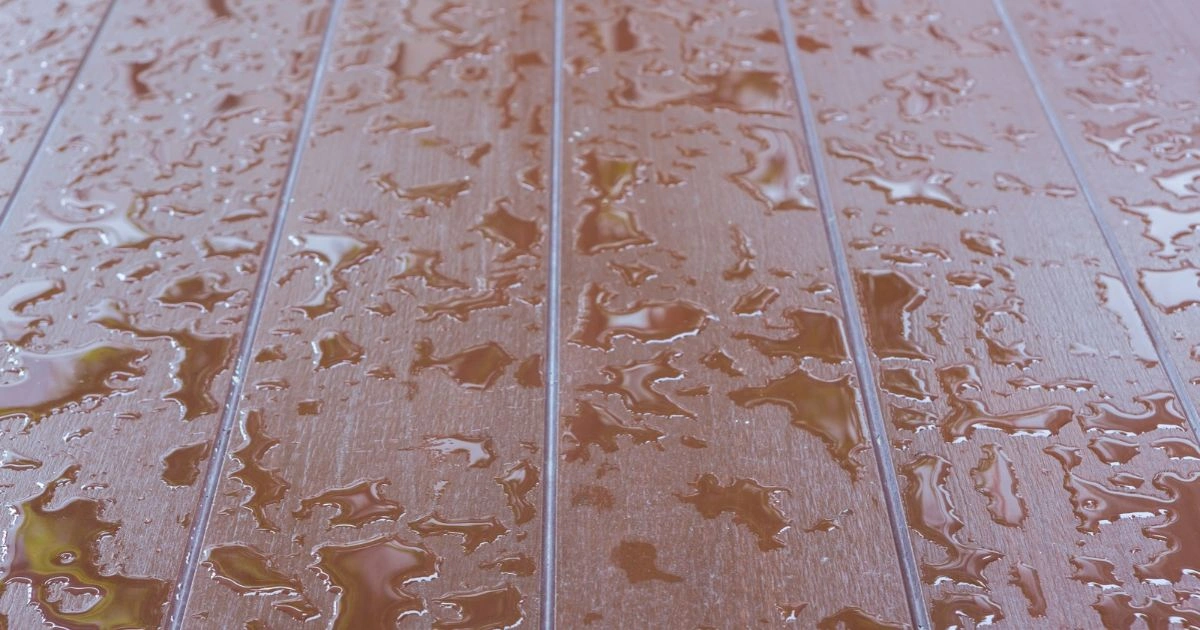
If you discover water around or underneath your flooring, take these steps:
- Stop the water source if it is safe to do so.
- Keep people away from unsafe or unstable flooring.
- Avoid standing water near electrical outlets or equipment.
- Remove accessible standing water when it is safe.
- Move furniture and belongings away from the affected area.
- Document visible damage with photographs.
- Do not cover a wet or damaged floor with new materials.
- Have hidden moisture checked if the flooring remains damp or changes shape.
- Address the source of the water before rebuilding.
- Have damaged structural materials evaluated before closing the area.
- If the water may be contaminated, avoid DIY cleanup and contact a professional restoration company.
When Should You Call a Water Damage Restoration Professional?
You should consider professional help when:
- Your floor feels soft or unstable
- Flooring is buckling or sagging
- Water has entered beneath flooring
- A large amount of water has affected the property
- A pipe has burst
- An appliance has leaked for an unknown amount of time
- The floor remains damp after cleanup
- A musty odor continues
- Mold is visible
- Water has entered a crawl space
- You cannot identify the source of moisture
- You suspect the subfloor or floor joists are damaged
- The water may be contaminated
Professional restoration is especially useful when the damage is hidden.
K.C. Construction & Restoration’s water damage restoration and mitigation services include moisture inspection, water extraction, drying and dehumidification, cleanup, repairs, and final inspection.
How K.C. Construction & Restoration Can Help With Water Damage
Water damage does not always end when the visible water disappears.
Moisture can remain beneath flooring, inside walls, under cabinets, or in crawl spaces.
K.C. Construction & Restoration provides water damage restoration and mitigation services in Macon and Middle Georgia. The team evaluates affected areas, identifies moisture, removes water, dries the property, cleans affected materials, and handles repairs and rebuilding when necessary.
If a broken or leaking pipe caused the problem, K.C. Construction & Restoration also provides broken water pipe and plumbing services to address the source of the water intrusion.
Persistent moisture may also contribute to mold growth. If you suspect mold in concealed areas, explore the company’s mold remediation services for additional information.
The sooner hidden moisture is identified, the better the opportunity to prevent additional damage to flooring, subflooring, walls, and other building materials.
Frequently Asked Questions About Water Damage Subfloor
How do I know if water damage has reached my subfloor?
Common signs include soft or spongy flooring, sagging, unevenness, warping, new squeaks, musty odors, cracked grout, loose flooring, and moisture that continues after surface water has been removed. Professional moisture detection can help determine whether water has reached the subfloor.
What are the signs of water damage under flooring?
Signs include soft spots, warped or buckled flooring, swelling, discoloration, musty odors, loose tiles, cracked grout, new floor noises, and recurring dampness. The exact signs depend on the flooring material and how much water entered the floor system.
Can a subfloor be wet without the floor looking damaged?
Yes. Water can remain beneath carpet, laminate, vinyl, hardwood, or tile without producing an obvious surface problem immediately. Moisture can remain trapped in underlayment or subfloor materials.
How can you tell if a subfloor is damaged?
Look for soft or unstable flooring, swelling, sagging, warping, delamination, persistent moisture, odors, and changes that appeared after a leak. A professional inspection can provide a more reliable assessment of concealed moisture and structural condition.
Does a wet subfloor always need to be replaced?
No. A wet subfloor may sometimes be dried and preserved if the material remains structurally sound and has not suffered significant swelling, delamination, rot, or contamination. Severely damaged materials may require replacement.
How long does it take for a subfloor to dry?
Drying time varies depending on the amount of water, subfloor material, temperature, humidity, airflow, and how quickly extraction begins. The important consideration is not simply the number of days but whether moisture levels have returned to an appropriate dry condition.
Can water damage under flooring cause mold?
Yes. Persistent moisture can create conditions that support mold growth, particularly when porous materials remain wet. If a musty odor or visible mold develops after water damage, the moisture source should be identified and addressed. You can also read about mold remediation services to understand how professionals address mold-related problems.
Can water damage the floor joists under the subfloor?
Yes. Significant or prolonged water exposure can affect floor joists and other structural components beneath the subfloor. If flooring is sagging or the crawl space beneath it has been exposed to water, the structure should be evaluated.
Should I replace my flooring before checking the subfloor?
No. If water damage is suspected, the underlying materials should be evaluated before new flooring is installed. Installing new flooring over wet or deteriorated material can conceal the problem and potentially trap moisture.
What should I do if my floor is soft after a water leak?
Avoid repeatedly walking on the affected area, identify and stop the water source if safe, and have the area evaluated for hidden moisture and structural damage. A soft floor after a leak can indicate that water has reached the underlayment or subfloor.
Final Takeaway
The most reliable way to determine whether water damage has reached your subfloor is to look beyond the visible flooring.
Soft spots, sagging, warping, new squeaks, musty odors, cracked grout, recurring dampness, and unexplained floor movement can all indicate that moisture has traveled below the surface.
Do not assume a floor is dry simply because surface water is gone; hidden water damage subfloor layers suffer can continue deteriorating structural wood over time.
If you suspect hidden moisture beneath your flooring, K.C. Construction & Restoration can inspect the affected area, identify moisture, remove water, dry the structure, and restore damaged materials in Macon and surrounding Middle Georgia communities. Visit the water damage restoration and mitigation service page to learn more.
One Response