
The sewage backup problem in your house is more than a nasty plumbing problem. However, the sewage backup problem in your home is something much bigger. The problem will bring germs, parasites, viruses, and many other elements into your home that will cause disease and harm your home.
Avoid using any plumbing fixtures like sinks, toilets, washing machines, showers, etc., during the time of sewage overflow. Do not allow children and animals to go into the area where there is sewage overflow. Do not come into contact with the sewage water, and avoid entering a flooded area where there is a risk of electric shock.
The next thing is to clean up the sewage overflow as well as find out the cause of this sewage overflow. If contaminated water has entered your home, professional water damage restoration and mitigation can help assess the affected areas, remove standing water, and begin the drying and cleanup process.
What Happens When Sewage Backs Up Into Your House?
In the event that the water is not able to flow through the pipes, it will flow backwards into your house via toilets, floor drains, bathtubs, sinks, and other plumbing systems.
A sewage backup in the house may happen because of:
- Clogging of the major sewer line
- Roots from trees entering underground sewer lines
- Damaged, broken, or old sewer pipes
- Rainfall that exceeds the sewer’s capacity
- Clogging of the lateral sewer line
- Flushing objects such as wipes and toilet paper down the toilet
- Excessive grease and sludge
- Overflow of the septic tank
- Problems with the municipal sewer line
Warning signs might appear even before there’s a major backup. Slow drains, gurgling toilets, foul smells, water rising from floor drains, and sewage rising when you use another fixture are all signs of a more serious problem with your drainage system.
However, if multiple drains have the issue at once, then the cause may lie deeper within the main sewer line and not just within a single drain pipe.
Is Sewage Backup Dangerous?
Yes. Sewage backup in a house can create a serious health and property hazard.
The CDC advises people to avoid contact with water that may be contaminated with sewage because exposure can cause illness.
Sewage can contain microorganisms and contaminants that may enter the body through:
- Direct skin contact
- Cuts or open wounds
- Accidental ingestion
- Contact with the eyes, nose, or mouth
- Contaminated surfaces
- Aerosolized particles created during improper cleanup
Potential symptoms following exposure can include nausea, vomiting, diarrhea, stomach cramps, skin irritation, eye irritation, and respiratory symptoms.
The risk is particularly concerning for young children, older adults, and people with certain underlying health conditions.
If someone becomes sick after sewage exposure, contact a healthcare professional and explain that sewage exposure occurred.
What Should You Do Immediately After a Sewage Backup?
When sewage backup enters the house, don’t start cleaning immediately. First, make the area safe.
1. Stop Using Water
Stop flushing toilets and avoid:
- Taking showers
- Running faucets
- Using the washing machine
- Running the dishwasher
- Using other plumbing fixtures
Additional water entering the drainage system can make the backup worse.
2. Keep People and Pets Away
Children or pets should not enter the contaminated zone.
Contaminants could infect the floor, furniture, toys, shoes, and other surfaces from the sewage. Pets could bring contaminants from one place to another inside the home.
3. Avoid Contact With the Sewage
Avoid walking in sewage backup in the house’s water unless it is really necessary.
If you come into contact with it, wash your skin using soap and clean water.
It would be best if specialists dealt with the contaminated water and objects.
4. Be Careful Around Electricity
If the sewage water is close to outlets, machines, wiring, and the electrical panel, never enter the water to access the circuit breaker.
CDC says it’s best to let a licensed electrician work with any electrical hazards when the power can’t be turned off from a dry place.
5. Turn Off HVAC if Contamination Could Spread
If the area is attached to the HVAC system within the house, it is advised that you shut off the system until the situation is assessed.
Contaminants may be transported through air currents from one contaminated zone to another within the household.
6. Photograph the Damage
Before cleanup begins, document:
- Where the sewage entered
- The approximate affected area
- Damaged flooring
- Damaged drywall
- Furniture and belongings
- Appliances
- Visible contamination
- Standing water
Take photographs and videos from a safe location.
This documentation may also help when communicating with your insurance company.
7. Contact a Restoration Professional
Once the immediate safety concerns are addressed, contact a professional restoration company experienced in sewage water damage and contaminated water cleanup.
Why You Shouldn’t DIY Sewage Cleanup
Fixing a small pipe leak will always have a different cleanup process than cleaning up a sewage backup in the house.
Sewage is known as contaminated water. This is because the CDC recommends that people avoid getting near contaminated water.
The common misconception is that removing the visible water removes the problem.
It doesn’t.
Sewage can contaminate:
- Carpet
- Carpet padding
- Drywall
- Baseboards
- Insulation
- Upholstered furniture
- Wood materials
- Subflooring
- Personal belongings
- Floors and walls
- HVAC components
However, mopping the floor or using disinfectants cannot be considered cleaning when contamination has gone beyond the surface into the porous material.
Restoration involves determining whether any of the materials are cleanable or non-cleanable.
What Does Professional Sewage Cleanup Involve?
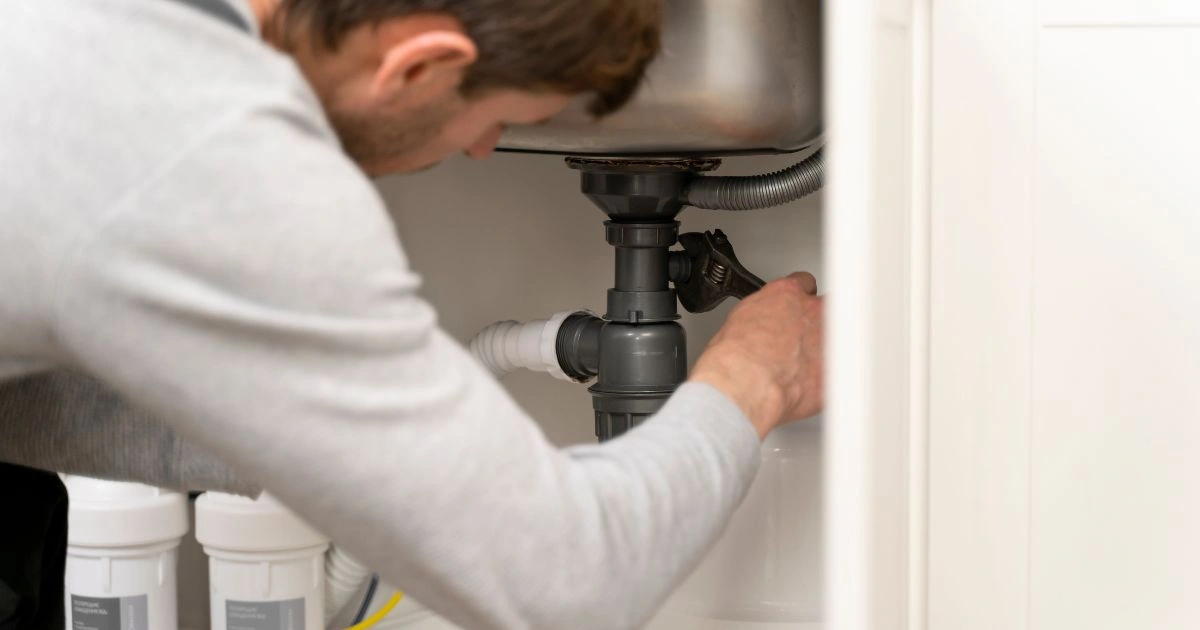
Professional sewer backup cleanup is not just about extracting water.
The process will depend on the nature of the backup, how long the sewage stayed inside the building, and what materials have been affected.
Step 1: Inspection and Safety Assessment
Technicians identify:
- Where sewage entered
- How far contamination spread
- Whether structural materials were affected
- Potential electrical hazards
- Moisture levels
- HVAC concerns
- Materials that may need removal
The source of the backup should also be identified and corrected. A restoration company may coordinate with a plumber or sewer professional when the underlying plumbing problem requires specialized repair.
Step 2: Containment
The affected area may need to be isolated to reduce the chance of spreading contamination to clean areas.
The goal is to control movement through:
- Foot traffic
- Equipment
- Air movement
- Contaminated materials
Step 3: Sewage and Water Removal
Standing wastewater is extracted using professional equipment.
Removing visible sewage backup in the house is only the beginning. Technicians then inspect surfaces and materials that may have absorbed contaminated water.
Step 4: Removal of Unsalvageable Materials
Some porous materials may not be practical or safe to restore after sewage exposure.
Depending on the circumstances, this can include:
- Saturated carpet padding
- Contaminated drywall
- Insulation
- Certain upholstered materials
- Severely contaminated wood products
- Damaged porous flooring materials
The goal is not simply to make the material look clean. The goal is to remove contamination that cannot be reliably cleaned.
Step 5: Cleaning and Disinfection
Remaining salvageable surfaces are cleaned and treated using appropriate procedures and products.
Hard, nonporous surfaces are generally easier to clean than porous materials because contamination can penetrate deeper into absorbent materials.
Step 6: Drying
Once all the contaminated items have been cleaned, the other structural items have to be dried properly.
Moisture that is left behind can cause another problem, which is mold. According to the EPA, wet or damp materials should be dried as soon as possible to reduce the risk of mold growth.
If water has entered walls, flooring, or other structural materials, our guide on how long water damage takes to dry explains why professional moisture detection and drying may be necessary.
Step 7: Final Inspection
The affected area should be checked to make sure:
- Visible contamination has been removed
- Remaining materials are appropriately cleaned
- Moisture problems have been addressed
- Odors have been treated
- Damaged materials have been properly removed
- The space is suitable for restoration or reconstruction
What Happens to Carpet, Drywall and Other Materials?
One of the most important questions homeowners ask after a sewage backup in the house is:
“Can my belongings be saved?”
The answer depends on the material and the extent of contamination.
| Material | Typical Concern |
| Carpet | May require removal if heavily contaminated |
| Carpet padding | Often difficult to properly decontaminate |
| Drywall | May need removal if contaminated or saturated |
| Insulation | Often requires removal after sewage exposure |
| Tile | Generally easier to clean if the surface is intact |
| Concrete | Can require thorough cleaning and drying |
| Wood | May be salvageable depending on exposure and condition |
| Upholstered furniture | Depends on contamination and material |
| Cardboard | Often difficult to salvage after sewage exposure |
| Personal items | Must be evaluated individually |
There is no blanket rule that all items contaminated by sewage automatically need to be discarded. It entirely depends upon the material used, degree of contamination, time period, and whether it can be cleaned or not.
How Long Does Sewage Cleanup Take?
There is no universal timeline applicable to all sewage backups. It may not take a long time to deal with a minor case, but a massive backup involving several rooms or walls may take more time.
The restoration timeline can depend on:
- Amount of sewage
- Size of affected area
- Type of flooring
- Amount of drywall affected
- Moisture trapped inside walls or floors
- Extent of contamination
- Materials requiring removal
- Cause of the backup
- Availability of plumbing repairs
- Whether mold is discovered
The important point is not to wait for the area to “dry on its own.”
Prompt drying can help limit additional damage and reduce conditions that support mold growth.
Hidden Danger: Why a “Dry” Wall Can Still Be Unsafe
One of the biggest errors made when doing a DIY cleanup is assuming that just because an area like the wall or floor feels dry to the touch, it is ready to rebuild.
Sewage water can move behind baseboards and drywall and become trapped in wall cavities. This hidden moisture may not be visible from the surface.
Professional moisture measurements can help determine whether affected structural materials are sufficiently dry before reconstruction begins.
What About the Sewage Smell?
Sewage backup could cause a smell that might linger even when the standing water is cleaned up.
The smell might emanate from contamination seeping into porous items, problems with the plumbing system, trapped moisture, or gases released from the sewers.
Using air fresheners as an attempt to mask the smell would not make the problem go away.
A smell could be a sign that there is still contamination or moisture present.
Professional inspection could help determine how to address the affected materials. If an unpleasant odor continues after cleaning, see our guide on why your house may smell musty even after cleaning.
Could Sewer Gas & Airborne Pathogens Be Dangerous?
It is believed that sewage only poses a health hazard if one comes in contact with it. However, some hazards can also be associated with contaminated environments and improper cleanup.
- Micro-Droplets through Aerosolization: Sweeping, mopping, or using equipment improperly in contaminated areas can potentially spread contaminated droplets.
- Exposure to Sewer Gases: Sewage systems can release gases that may cause unpleasant odors and irritation. If strong or unusual sewer-gas odors are present, leave the area and seek appropriate professional assistance.
- Contamination of Ducts: If an HVAC system may spread contaminants from an affected area, it should be assessed before continued operation.
Should You Call a Plumber or a Restoration Company?
It requires you to call both for two totally different functions.
Think of it this way:
- The Plumber deals with the cause (plumbing system).
- The Restoration Team deals with the effects (your home).
1. Call a Plumber to Fix the Pipes
Plumbing work involves making repairs to your sewage system so that no more sewage comes into your property.
A plumber will:
- Drain blocked main sewer pipes and drains.
- Clear away roots of trees or other obstructions.
- Repair leaking, cracked, or collapsed underground pipes.
- Empty overfilled septic systems.
Note: A plumber will stop the sewage flow, but does not necessarily clean up the contaminated water inside the house.
For another example of why plumbing repairs and restoration may need to happen together, see our guide on what to do after a burst pipe.
2. Call a Restoration Company to Clean Your Home
Since sewage is highly contaminated water containing microorganisms, a restoration company utilizes safety gear and commercial tools to help manage the affected property.
A restoration team will:
- Drain excess sewage water.
- Remove contaminated carpets, drywall, and insulation that cannot be salvaged.
- Clean and disinfect affected surfaces.
- Dry structural materials and subfloors to help prevent additional moisture damage.
Is Sewage Backup Covered by Homeowners Insurance?
Coverage depends on your individual policy and the cause of the loss.
Some homeowners policies may provide coverage for certain types of water or sewer backup when specific endorsements or coverage are included. Other policies may exclude sewer or drain backup unless additional coverage has been purchased.
After a sewage loss:
- Photograph the damage.
- Document affected rooms and belongings.
- Contact your insurance company promptly.
- Ask what documentation they require.
- Keep receipts related to emergency services and temporary expenses.
- Do not discard potentially valuable damaged items before documenting them unless they present an immediate health or safety hazard.
Your restoration professional can also help document the scope of damage for the restoration process.
Do not assume that every sewage backup is automatically covered or automatically excluded. Check your specific policy.
How Can You Prevent Another Sewage Backup?
While you cannot avoid all sewer emergencies, preventative maintenance will lower your chances of facing them.
Keep Grease Out of Drains
Cooking grease may build up in pipes and cause blockages.
Be Careful What You Flush
Toilets are not garbage disposals.
Do not flush wipes, paper towels, feminine hygiene items, or anything else that might cause an obstruction.
Watch for Warning Signs
Don’t ignore:
- Slow-moving drains
- Gurgling toilets
- Blockages
- Odors from sewage
- Water that backs up into your tub
- Drains going slow at the same time
Maintain Your Sewer Line
In cases where you are having repeated issues, a plumbing professional may advise you to check your sewer line for cracks, roots, deterioration, and any other problem.
Consider Backwater Protection
Based on your home’s plumbing setup, you may need a backwater valve to minimize the risk of sewage flowing backwards into your home.
A plumbing professional can tell you if this is suitable for your property.
What Should You Never Do After a Sewage Backup?
To prevent dangerous health effects and expensive damage, learn about what not to do after sewage backups in your house.
Remember these important rules:
Don’t:
- Walk through sewage unnecessarily
- Let children or pets enter the affected area
- Flush toilets repeatedly
- Run appliances that discharge water
- Touch contaminated materials with bare hands
- Enter electrically unsafe standing water
- Assume the odor means the problem is gone
- Cover the smell with air fresheners
- Keep using an HVAC system if it may spread contamination
- Assume bleach alone makes porous materials safe
- Wait several days before addressing the damage
Do:
- Stop water use
- Keep people and pets away
- Document the damage
- Address electrical hazards safely
- Contact the appropriate plumbing professional
- Contact a professional restoration company
- Begin cleanup and drying as soon as it is safe
When Should You Call a Professional for Sewage Cleanup?
Call a professional if sewage has entered:
- A basement
- Bathroom
- Kitchen
- Crawl space
- Living area
- Finished flooring
- Walls
- HVAC areas
- Multiple rooms
You should also seek professional help if the sewage backup in the house has remained for an extended period, has contaminated porous materials, or the source of the backup has not been identified.
The combination of contaminated water + building materials + moisture can create a much bigger restoration problem if ignored.
Sewage Backup in House: What to Do at a Glance
If you only remember five things, remember these:
1. Stop using water.
Don’t flush toilets or run plumbing fixtures.
2. Keep everyone away from sewage.
Children and pets should stay out of the affected area.
3. Don’t enter electrically unsafe water.
Have an electrician handle unsafe electrical conditions.
4. Document the damage.
Take photos and contact your insurance company.
5. Get professional sewage cleanup.
Sewage requires more than ordinary mopping and household cleaning products.
Need Professional Sewage Cleanup in Macon, GA?
A sewage backup in your house can quickly turn into contaminated water damage, damaged building materials, unpleasant odors, and potential mold problems.
K.C. Construction & Restoration provides restoration services in Macon, GA and can help homeowners address water and property damage after an emergency.
If sewage has entered your home, don’t wait for the area to dry on its own. The faster the affected area is assessed, contained, cleaned, and dried, the better your chances of limiting additional damage.
Contact K.C. Construction & Restoration for professional restoration assistance after sewage or water damage.
Frequently Asked Questions About Sewage Backup
1. What should I do first if sewage backs up into my house?
Immediately stop using water, keep your kids and pets away from the affected area, avoid coming into contact with the sewage, and take care of any electrical safety concerns from a safe distance. Document the damage and consult a restoration firm and a plumber.
2. Is sewage backup considered contaminated water damage?
Yes. Sewage-tainted water poses a considerably greater health hazard than water without contaminants. The CDC advises staying away from any water that could be contaminated by sewage.
3. Can I clean up a sewage backup myself?
A small plumbing issue is not to be confused with sewage contamination. When your home has been affected by sewage, it is advisable to have a professional conduct the cleanup process.
4. How quickly can mold grow after sewage water damage?
Mold requires moisture and suitable conditions for growth. The EPA recommends drying wet or damp materials as soon as possible, ideally within 24–48 hours when feasible, to reduce the risk of mold growth.
5. Does homeowners insurance cover a sewer backup?
This will depend on your insurance policy, coverages, endorsements, and the reason for the backup. It is best to read through your policy and speak to your insurance company about your situation.